

❤️ Love it, guaranteed
Subtotal$0.00
Taxes & ShippingCalculated at next step


Rosé and Falling Leaves
By Austin Holdsworth
September 04, 2026
Rosé spent a solid decade being treated like a seasonal decoration, something you packed away along with the patio furniture once September hit. That's changing, and not just as a vibe. UK trade data from this year shows rosé sales holding steady well past summer, with the same growth rate showing up in December as in July, and sparkling rosé specifically named as the driver behind a holiday-season sales bump. One buyer put it plainly: rosé has become a year-round pour, not a fair-weather one.
Sparkling wine never really needed the argument. It's already the wine people reach for at Thanksgiving tables and holiday parties. But rosé catching up to it means fall is actually the moment to stop treating pink wine and bubbles as summer leftovers and start treating them as exactly what they are: two of the most food-flexible wines on the table, all year long.
There's a real reason sommeliers reach for high-acid, effervescent wines when the menu gets richer, and it's not habit. Fat needs acid. A low-acid wine next to a buttery or cream-based dish just sits there, coating your palate instead of cutting through it, which is why a wine that felt perfect with a light summer salad can feel flat next to a plate of mashed potatoes and gravy. Bright, crisp wines like a dry rosé or a good sparkling do the opposite: the acidity resets your palate between bites, and in a sparkling wine, the bubbles do some of that work too, physically lifting richness off your tongue the same way a squeeze of lemon does.
That's the actual case for pouring rosé and sparkling wine at a fall table loaded with roasted vegetables, cream sauces, and rich sides. They're not fighting the season. They're built for exactly the kind of food it brings.
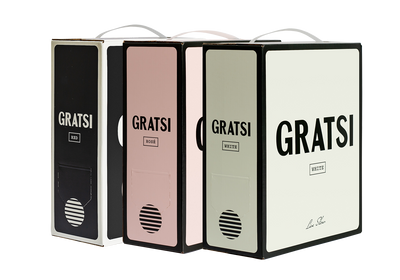
Gratsi Rosé Wine is built around ripe strawberries and berry fruit, crisp and refreshing with a long fruit finish. That berry-forward brightness is what makes it work so well against fall dishes that lean sweet-savory or a little smoky:
Pork with fruit. A pork tenderloin finished with apricot or cranberry chutney is one of the classic fall rosé pairings, and it's easy to see why. The wine's own berry character meets the dish halfway instead of competing with it.
Roasted or braised poultry. Turkey with chestnut stuffing, braised duck, or any roasted bird with a savory-herb seasoning gives the rosé's acidity something to cut through without overwhelming the meat's flavor.
Squash and root vegetables. A butternut squash dish with a little heat, or roasted root vegetables with a touch of char, plays well against the wine's fruit-forward brightness the same way it would against a light red.
Smoky, nutty sides. Smoked cauliflower with a pumpkin-seed pesto, or any dish leaning on toasted nuts and a little smoke, gives the rosé's fruit something earthy to bounce off of.
It's also worth remembering the rosé holds up fine on its own, the way it always has. Gratsi Rosé Wine is genuinely versatile with fish, white meats, and pizza too, so it's not a wine you need a fall-specific occasion to justify pouring. (If you've ever wondered what actually makes a rosé taste dry instead of sweet, that crispness is exactly why it holds up against richer food.)
Gratsi Sparkling White Wine leans citrus, almond, and cream, crisp and dry with delicate bubbles, which puts it in exactly the lane sommeliers reach for on the richest, creamiest dishes of the season:
The mashed potatoes problem. Buttery mashed potatoes are one of the hardest dishes on a fall table to pair well, because butter and cream flatten most wines. A crisp sparkling wine is the standard sommelier fix, and it's a large part of why sparkling wine dominates Thanksgiving tables specifically.
Roast turkey and gravy. The same acid-and-bubbles logic applies to the bird itself, especially once gravy is involved.
Mushroom and cream-based dishes. A creamy mushroom side or a mushroom risotto gets the same lift from a wine that clears the palate between bites instead of layering more richness on top of it.
Aged cheese boards. The almond and cream notes in the sparkling wine echo a good aged cheese, while the acidity keeps the pairing from feeling heavy.
You don't have to pick one over the other. Open Gratsi Sparkling White Wine for the start of the meal and anything cream-based, then let Gratsi Rosé Wine carry the table once the poultry and roasted vegetables show up. That's the same instinct behind pairing any two wines at a bigger meal: let the food tell you which one goes where, rather than deciding in advance that one wine has to do all the work.
If red wine is also making an appearance at your table this fall, Gratsi Red Wine rounds things out for the heavier, meatier dishes rosé and sparkling aren't built for. And if you're planning a bigger gathering than a weeknight dinner, we broke down exactly how much wine to order for a crowd so you're not doing that math the morning of.
Rosé and bubbles were never really summer-only wines. They just needed a fall table rich enough to prove it.