

❤️ Love it, guaranteed
Subtotal$0.00
Taxes & ShippingCalculated at next step


Boxed Wine Shelf Life
By Austin Holdsworth
September 02, 2026
You open a bottle on a Tuesday, pour one glass, and forget about it until Saturday. Is it still good? What about the box of rosé that's been sitting in your fridge door for two weeks? And that bottle of red you bought on a whim last spring and never got around to opening, is it too late now?
The honest answer depends on exactly one thing: how much oxygen has touched the wine, and for how long. Once you know that, the rest is just math. Here's what actually happens to wine after the cork comes out, the tap gets turned, or the bottle sits untouched on a shelf.
Bottled red wine. Once opened, good for 3 to 5 days, stored cool with the cork back in. Unopened, anywhere from 2 to 10+ years depending on the wine, though most table wine is best within 1 to 2 years.
Bottled white or rosé wine. Once opened, good for 3 to 7 days, refrigerated with the cork back in. Unopened, 1 to 3 years for most everyday whites and rosés.
Sparkling wine. Once opened, good for 1 to 3 days, refrigerated with a sparkling stopper. Unopened, 1 to 3 years, best chilled and consumed sooner rather than later.
Boxed wine (bag-in-box). Once opened, good for 2 to 4 weeks refrigerated, longer with a vacuum-sealed bag design. Unopened, around 1 year from packaging, so check the best-by date on the box.
That's the general shape of it. Now here's why the numbers land where they do.
Wine doesn't spoil the way milk does. It doesn't grow mold or turn dangerous to drink. What it does is oxidize, the same basic chemistry that turns a cut apple brown. Once wine is exposed to air, oxygen starts reacting with the compounds that give it fruit and structure, dulling the flavor into something flat and dull-tasting. At the same time, naturally occurring acetic acid bacteria get to work converting alcohol into acetic acid, which is what gives old wine that sharp, vinegar-like edge. Cooler temperatures slow both processes down, which is why refrigeration extends the life of an opened bottle no matter what color it is.
The problem with a standard bottle is simple geometry. Every time you pour a glass, that wine is replaced by air. By the time you're on your last glass, there's a lot of headspace and a lot of oxygen sitting right on top of what's left. That's why a bottle of red left open on the counter for a week tastes noticeably different by the last pour than it did on day one, even with the cork jammed back in.
A vacuum-sealed bag-in-box works on a different principle. Instead of air rushing in to fill the space where wine used to be, the interior bag collapses as wine is dispensed. There's no headspace to fill, so there's no fresh oxygen getting pulled in with every pour. That's the whole mechanism, and it's a real one. It's the reason boxed wine has a longer open-shelf life than bottled wine as a category, not a marketing trick.
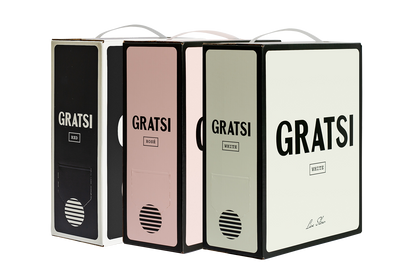
Gratsi Red Wine, Gratsi White Wine, and Gratsi Rosé Wine are built around exactly that principle. Each 3L box holds the equivalent of four bottles, or 20 five-ounce glasses, in a vacuum-sealed bag that collapses as you pour. Because the bag keeps oxygen out rather than letting it in, the wine stays fresh for 30 days after opening, refrigerated, which is meaningfully longer than an open bottle and longer than most standard boxed wine on the shelf. That window is long enough to matter in the kitchen too, where a recipe usually only calls for a cup at a time, not a whole bottle, and it's part of why boxes hold up over the course of a long event, like pouring wine for a full wedding reception. If you want the fuller breakdown of what keeps a box fresher for longer, we've written about it in more detail in Keep Wine Fresh.
It's also worth saying plainly: this isn't a box-versus-bottle hierarchy. A bottle of wine, properly stored and finished within a few days, is perfectly good wine. The difference shows up specifically in how long the format lets you stretch that bottle or box out once it's open, which matters most if you're someone who wants a glass or two on a Tuesday and doesn't want to feel obligated to finish the rest that night.
Here's something that surprises a lot of people: most wine, whether it's in a box or a bottle, isn't meant to be aged at all. Cellar-worthy wine, the kind that improves for a decade or more in a temperature-controlled room, is a small slice of what's actually sold. The wine on grocery store shelves and in most home kitchens is table wine, made to be opened and enjoyed within a year or two of purchase, not tucked away and forgotten.
For unopened bottled wine, light whites like a crisp Sauvignon Blanc or Pinot Grigio generally hold up well for 1 to 3 years past purchase. Fuller-bodied whites can go a bit longer. Reds have more range: a light, everyday red is best within a couple of years, while a structured, tannic red built for aging can last a decade or more unopened. But unless a bottle is specifically labeled or sold as an age-worthy wine, treat "soon" as the safer assumption. Most reds and whites you'd grab for a Tuesday dinner are at their best young.
Unopened boxed wine follows a tighter but similar logic. Because the bag-in-box format uses a flexible plastic pouch rather than glass, it lets in microscopic amounts of oxygen over time, even before it's opened. That's why boxed wine typically carries a best-by date roughly a year out from packaging. It won't turn dangerous after that date, but it will gradually lose the brightness and fruit character it had when it was packaged, so it's worth checking the date on the box before you buy or before you dig one out of the back of the pantry.
In both cases, storage conditions do a lot of the work. A cool, dark, stable spot, somewhere around 55°F if you can manage it, keeps wine in better shape than a kitchen counter near a stove or a sunny windowsill. Heat speeds up the same reactions that ruin opened wine, and light, especially direct sunlight, breaks down compounds in the wine over time. None of this requires an actual wine cellar. A closet or a cabinet away from the oven does the job for the timeframes most people are working with.
Trust your senses here, they're more reliable than a calendar. A few things to check before you pour:
Smell. Fresh wine smells like fruit, and depending on the wine, maybe some earthy or floral notes underneath. Wine that's turned smells sharp and vinegary, or flat and a little like wet cardboard or bruised fruit. If it smells like nail polish remover or vinegar, that's oxidation and bacterial activity doing their thing, and it's time to pour it out.
Taste. Oxidized wine tastes dull and muted, like someone turned down the volume on the fruit. It can also taste sour or sharp in a way that's different from the wine's normal acidity. If a wine you know well suddenly tastes thin or off, that's your answer.
Appearance. Look for cloudiness in a wine that used to be clear, or any bubbling in a still wine that isn't supposed to be sparkling. Both are signs that something's shifted in the bottle or box.
Wine that's oxidized isn't going to hurt you the way spoiled food might. It's just not going to taste like the wine you paid for, and there's no reason to drink something that's lost its character when the fix is just opening something fresh.
Yes, and this holds true across the board, red, white, rosé, or sparkling. Cold slows down both oxidation and the bacterial activity that turns wine sour, so an opened bottle or box lasts longer in the fridge than it does on the counter, regardless of color. The old rule that reds belong in a cabinet and whites belong in the fridge is about serving temperature, not storage. Once a bottle is open, the fridge is the better call for all of them.
If you prefer your red at room temperature, that's an easy fix: pull the glass you want out ten or fifteen minutes before pouring, or let it sit in the glass for a few minutes. You get the shelf-life benefit of cold storage without giving up the drinking experience you're used to.
A few other habits that stretch an opened bottle or box further: reseal a bottle tightly with its original cork or a stopper rather than leaving it loosely balanced on top, keep boxed wine's tap fully closed between pours, and store both away from direct light and heat sources even inside the fridge. None of this requires special equipment, just a little consistency.
An opened bottle of wine has a matter of days. An opened box, thanks to a bag that collapses instead of letting air in, buys you weeks instead. Unopened, most table wine, box or bottle, is happiest consumed within a year or two rather than saved for a special occasion that keeps getting pushed back. Keep it cool, keep it sealed, and trust your nose over the calendar when in doubt. Wine that turns before you finish it is wine that gets poured down the drain, which is its own small sustainability argument for whichever format actually gets used up before it goes bad.
If you're weighing formats for how you actually drink day to day rather than just how long a bottle sits around, it's worth comparing how boxed and bottled wine stack up beyond shelf life, from waste to portioning to what fits an actual Tuesday night, in Boxed Wine vs. Glass Bottles.