

❤️ Love it, guaranteed
Subtotal$0.00
Taxes & ShippingCalculated at next step


ALEXANDRA'S KITCHEN
Enjoy it at room temperature or chilled, and for an extra treat, serve it with a scoop of vanilla ice cream.
By Alexandra's Home
|
September 01, 2026
By Alexandra's Home
TOTAL TIME
2 hours8-10 servings
Portokalopita is a traditional Greek dessert filled with the wonderful aromas of fresh orange and cinnamon. Made with dried phyllo folded into a rich orange and yogurt batter, then soaked in a fragrant homemade syrup, it becomes incredibly moist, juicy, and full of citrus flavor. Enjoy it at room temperature or chilled, and for an extra treat, serve it with a scoop of vanilla ice cream.


Prepare the Phyllo
Preheat the oven to 300°F (150°C).
Slice the phyllo dough into strips. Gently separate the strips with your hands and toss them loosely and fluffily into a baking pan, making sure they are not packed together. Bake for 10 minutes, then gently turn and toss the phyllo so that it dries evenly. Return it to the oven and bake for another 7 minutes.
Remove from the oven and set aside to cool. Once cooled, gently crush the dried phyllo with your hands into smaller pieces, being careful not to crumble it too finely. If you notice that some pieces are still soft rather than dry and crisp, return those pieces to the oven separately and bake for a few more minutes until completely crisp.


Prepare the Oranges
Finely grate the zest from 4 oranges and set aside. Squeeze the oranges to get 1½ cups (360 g) of fresh orange juice. Prepare the Orange Syrup Cut 1 orange into slices. In a saucepan, combine the water, orange juice, sugar, orange slices, and cinnamon sticks.
Bring to a boil and cook for a total of 10 minutes. As the syrup boils, skim off any foam that rises to the surface using a fine-mesh strainer. Remove the syrup from the heat and set aside to cool completely.


Prepare the Cake Mixture
Preheat the oven to 340°F (170°C). In a large bowl, combine the sugar and extra virgin olive oil and mix well. Add the eggs and whisk until combined. Add the Greek yogurt, baking powder, and orange zest, and mix again until smooth.
Add the dried phyllo to the mixture and gently fold until all the pieces are evenly coated with the batter.


Prepare the Pan
Grease an approximately 9 × 12-inch (22 × 30 cm) baking pan with extra virgin olive oil. Lightly dust it with flour, shaking the pan to coat it evenly, then discard any excess flour.
Pour the mixture into the prepared pan and spread it evenly.
Bake for approximately 30 minutes, or until the portokalopita is beautifully golden and cooked through.
As soon as you remove the hot portokalopita from the oven, slowly pour the completely cooled orange syrup evenly over the entire surface.
Set aside for approximately 15 minutes, allowing the portokalopita to absorb the syrup and cool slightly before slicing.


Serve
Serve the portokalopita on its own or with a scoop of vanilla ice cream on the side.
It can be enjoyed at room temperature or refrigerated and served cold. The longer it rests, the more beautifully the orange syrup soaks into the phyllo, making every bite wonderfully moist and fragrant.
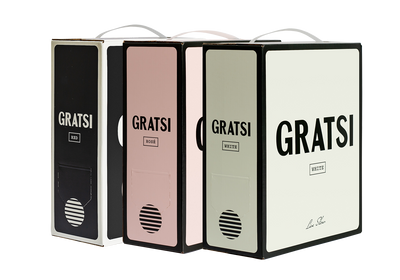
Wine Pairing: Serve your portokalopita alongside a chilled glass of Gratsi Rosé Wine. Its fresh, fruity character pairs beautifully with the bright citrus notes of the orange and the warm aroma of cinnamon, making it a lovely way to finish a Greek-inspired meal.


