Subtotal$0.00
Taxes & ShippingIncluded


HOMESTEADING SERIES:
By Jennifer Macleod
May 13, 2024
This post will teach you the need-to-know basics for starting your very own compost system at home.
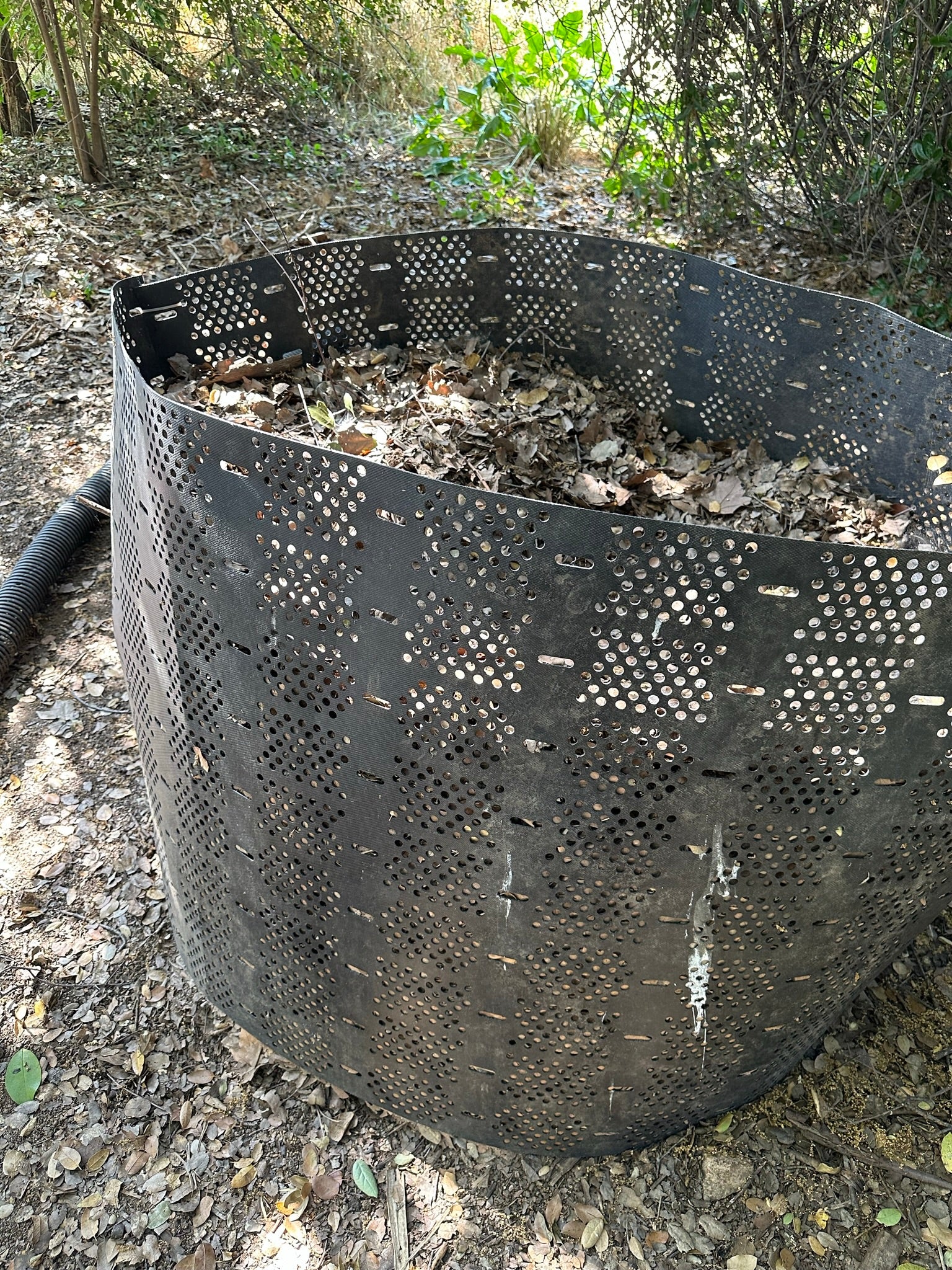
The first consideration is the container or system you will use to store the compost. There are many options available, ranging from a simple pile in the corner of the garden to an enclosed compost tumbler. The best choice for you will depend on your available space and how much food and garden waste you will be adding. If you have a small space or worry about animals getting into your compost, an enclosed system like a tumbler or 50 gallon trash can with holes drilled into the sides could be a good option. If you have a larger garden and expect to have more green waste, a larger system will benefit you. Consider getting a compost system with three sections which will make management of larger piles easier.
Composting is just one part of building a Mediterranean-inspired home garden — also check out our guide to choosing plants for your first garden and learn how to grow your own medicinal herbs. A healthy garden means fresher ingredients, including the herbs and vegetables that pair beautifully with good olive oil.
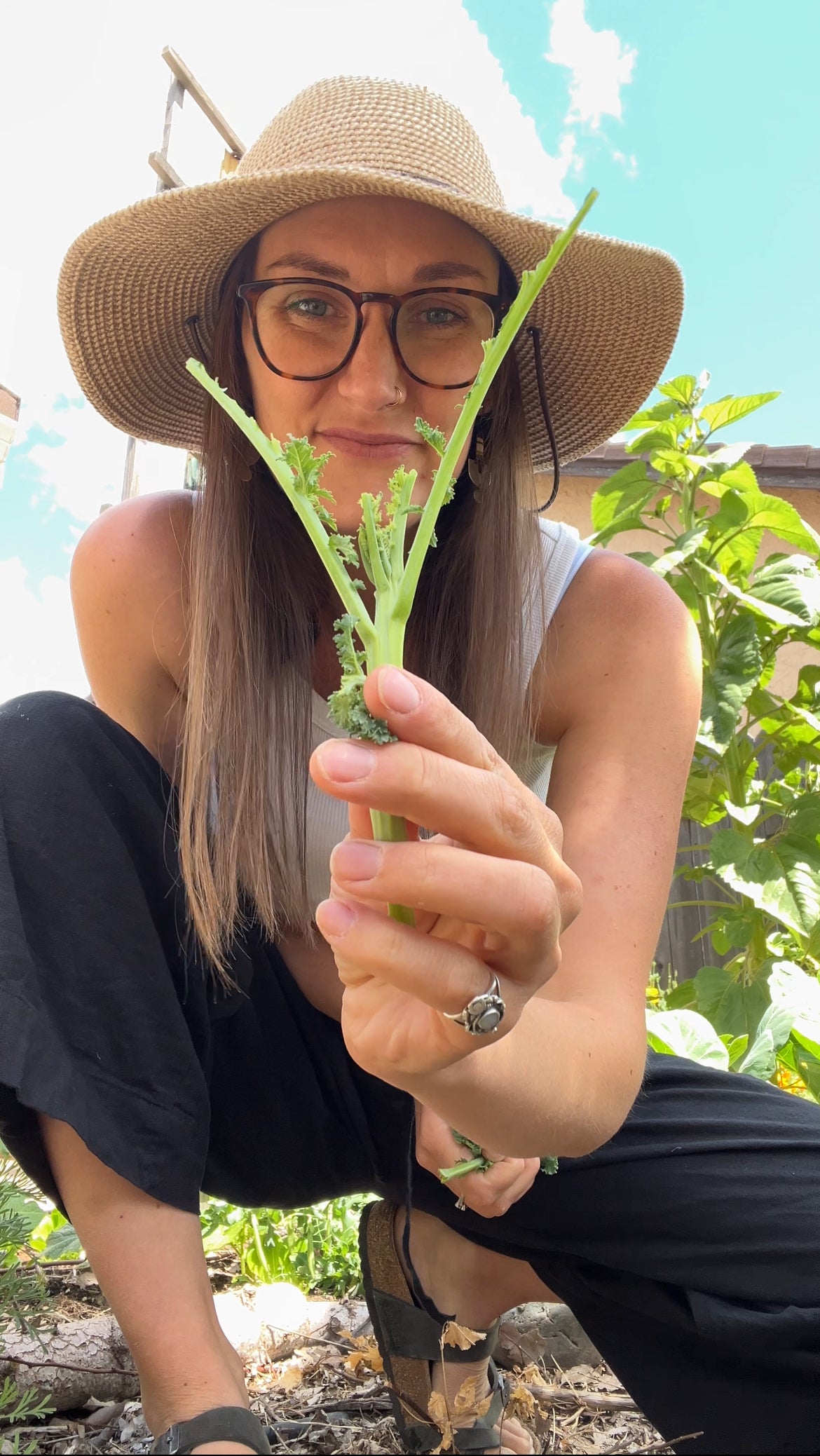
Just about anything that decomposes can be added to a compost pile. This includes: kitchen scraps like old lettuce, banana peels, egg shells, coffee grounds, carrot tops, potato peels, and the like. If you grow your own produce, your kitchen garden herbs will generate a steady supply of fresh trimmings that are perfect for the compost pile.Although they can be decomposed, its best practice to avoid putting meat, dairy and very oily foods in a backyard compost system. You can also add garden waste to your compost, like prunings, leaf litter, and grass clippings. You might think adding food scraps from your kitchen to a compost pile to rot would result in a stinky mess, but a well-managed compost pile won’t smell! To keep your compost pile happy and smelling fine, be sure to add Carbon-rich materials to balance the Nitrogen-rich food scraps you’ll be adding. Carbon sources include leaf litter, straw, cardboard, paper, and newspaper. The ratio of Carbon to Nitrogen sources should equal roughly 1 to 1. So when you add a pail of kitchen scraps, add an equal amount of your Carbon material.
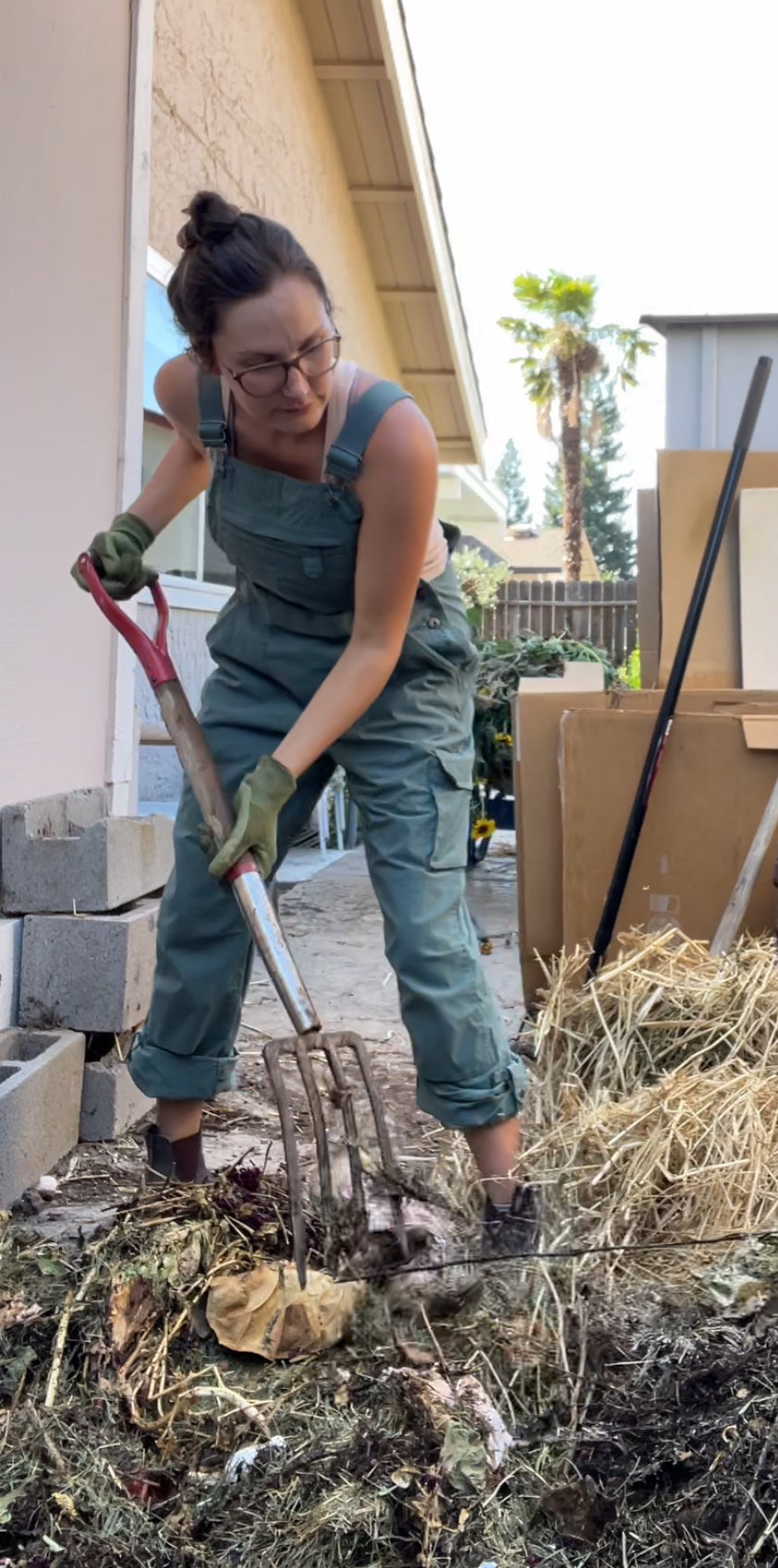
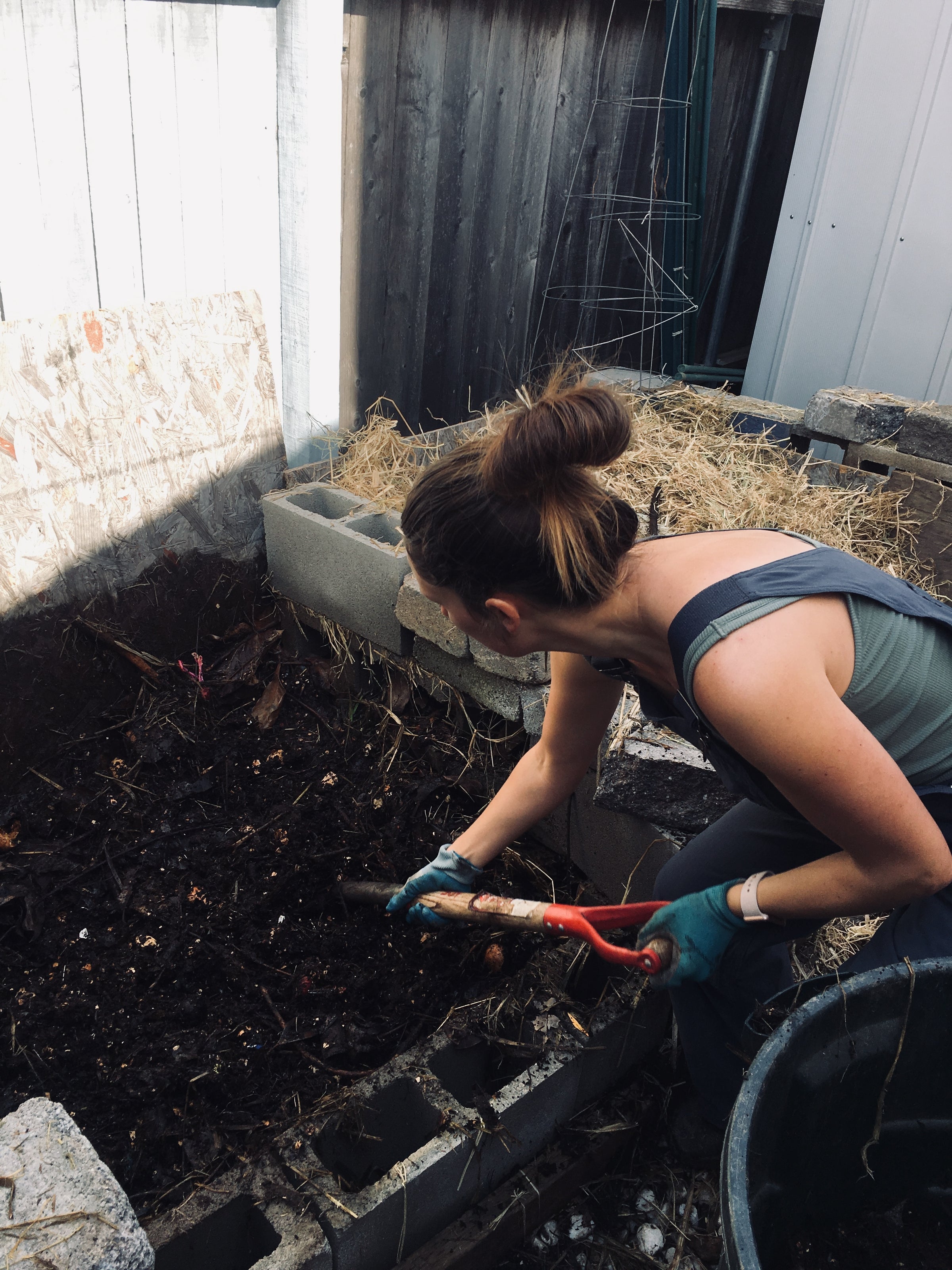
In addition to Carbon and Nitrogen, a compost pile needs air and water to work its decomposition magic. It is important to keep all these elements in balance, however, so stay tuned in to what’s happening by checking on your compost pile weekly to see how it looks. Dig into the pile and observe: does it seem dry? Add water! Is it a little smelly? Mix the pile up with a shovel or corkscrew aerator, or give the tumbler a turn to introduce more air. If practiced regularly, these little chores will help your compost pile turn into nutrient rich compost for your garden in as little 3 months! Once your compost is ready to use, our guide to choosing plants for your garden will help you decide exactly where all those nutrients should go.
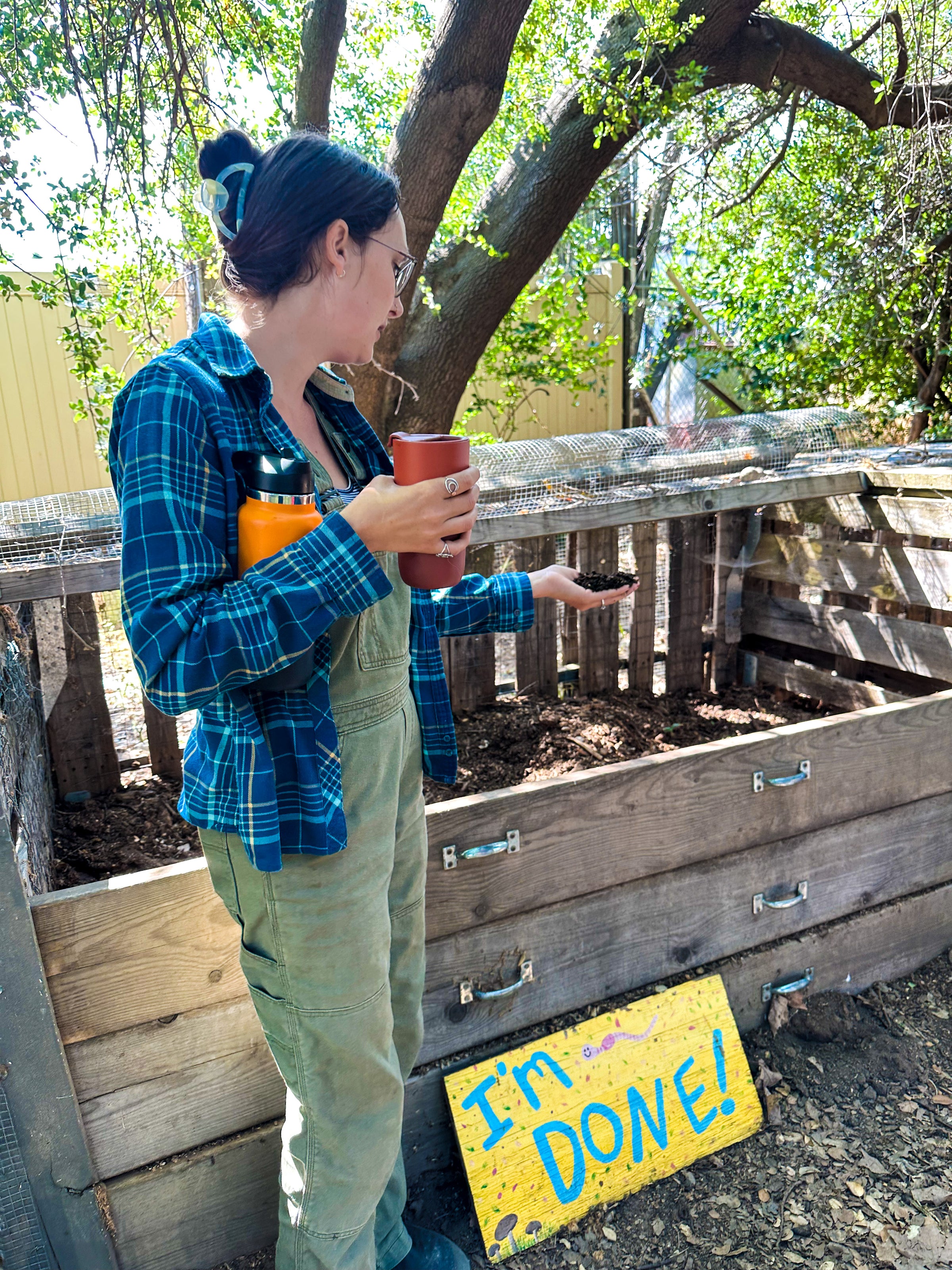
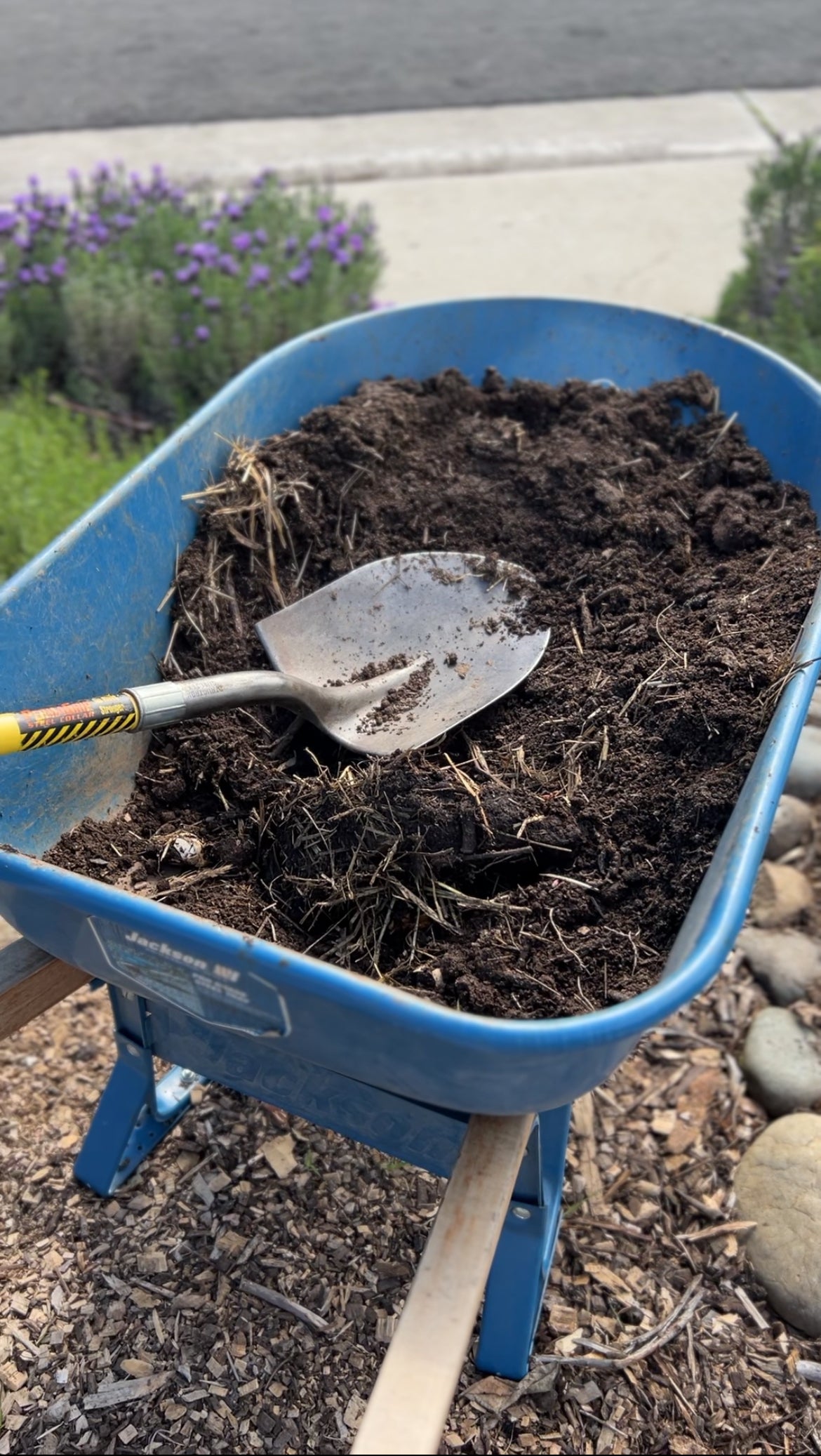
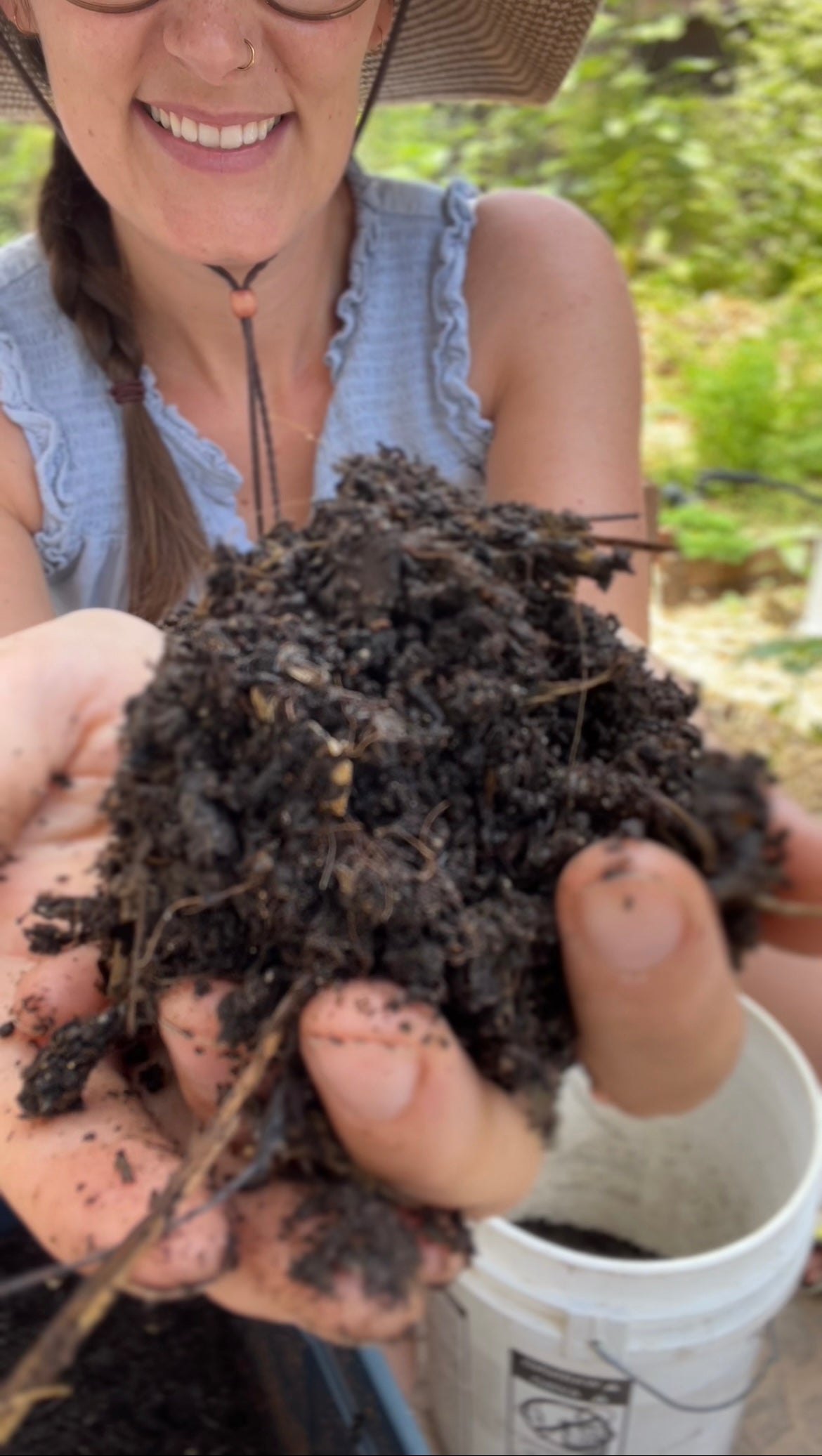
Compost is ready when there are no longer recognizable bits of food or garden waste in the pile, and it resembles soil. It should look dark and crumbly and have a sweet, earthy smell. Sometimes you may notice the bottom of the pile looks like soil but the top section still looks like the undecomposed parts. In this case, simply separate the whole pieces and harvest the finished compost from the bottom. If you like, you can sift the compost to achieve a very fine texture and leave the larger pieces in the compost pile to finish decomposing.
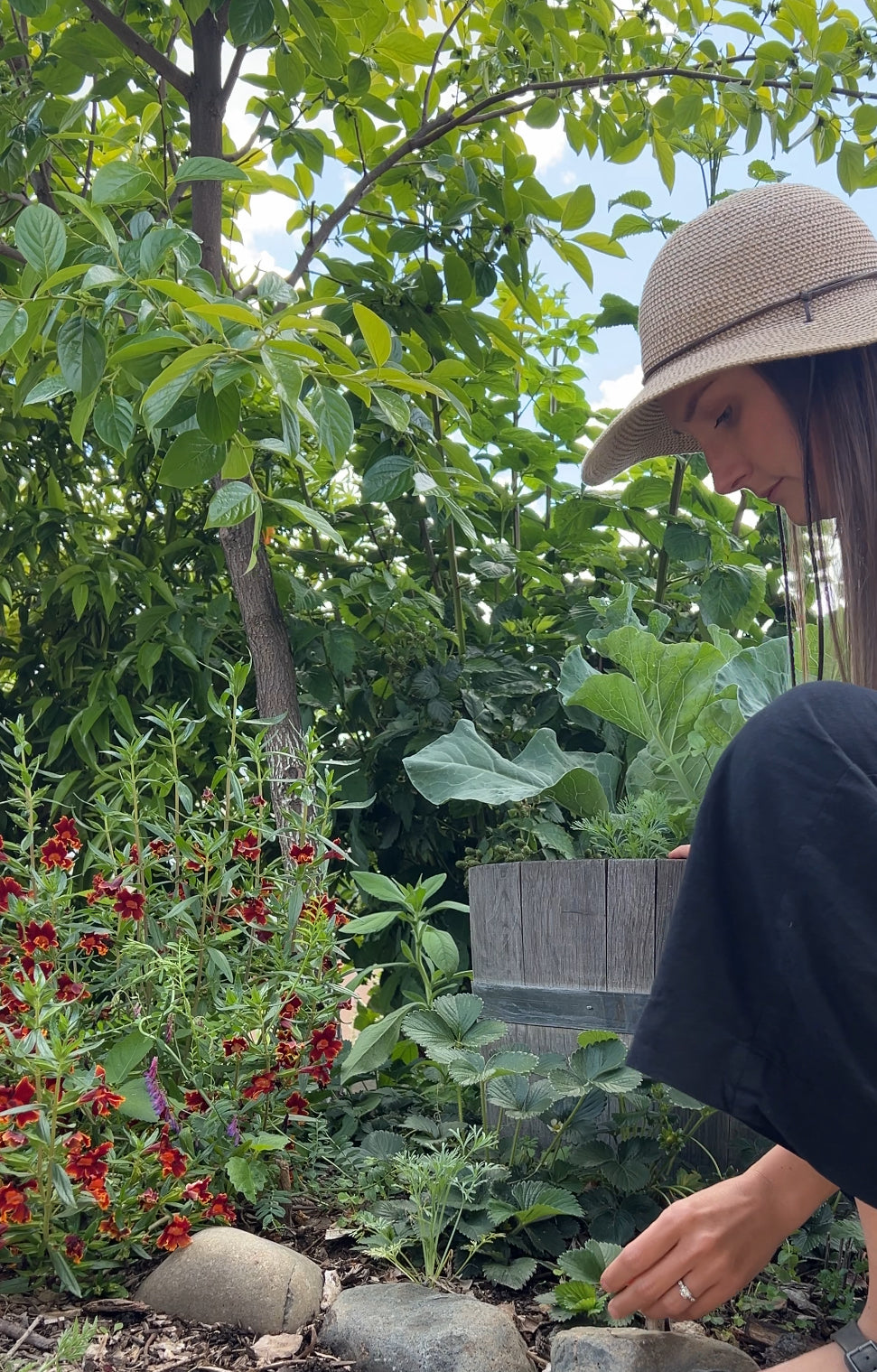
Composting at home is an easy way to create an affordable garden amendment that will provide necessary nutrients to your plants all season long. It's also a reminder that the best things — a thriving garden, a long evening exploring the world of backgammon, a slow Sunday with good wine — are rarely the complicated ones. It may seem intimidating at first but stick to the basics outlined in this post and you’ll be on your way to sweet smelling compost and a thriving veggie garden in no time! And if you're embracing a more sustainable lifestyle in the garden, it's worth knowing why boxed wine wins on the eco-front too — less packaging, less waste, more evenings in the garden. Pair your garden evenings with something from our sugar-free wine guide — because a hard afternoon of composting deserves a clean, guilt-free glass.
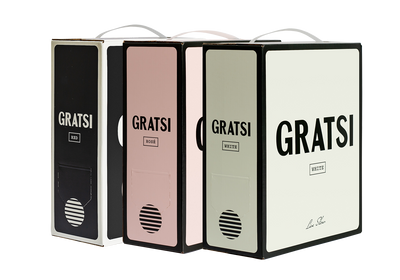
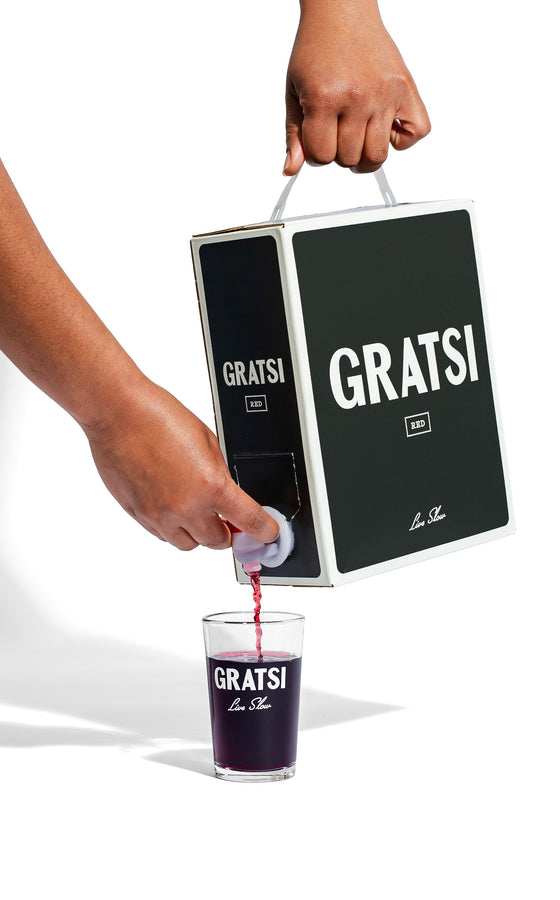
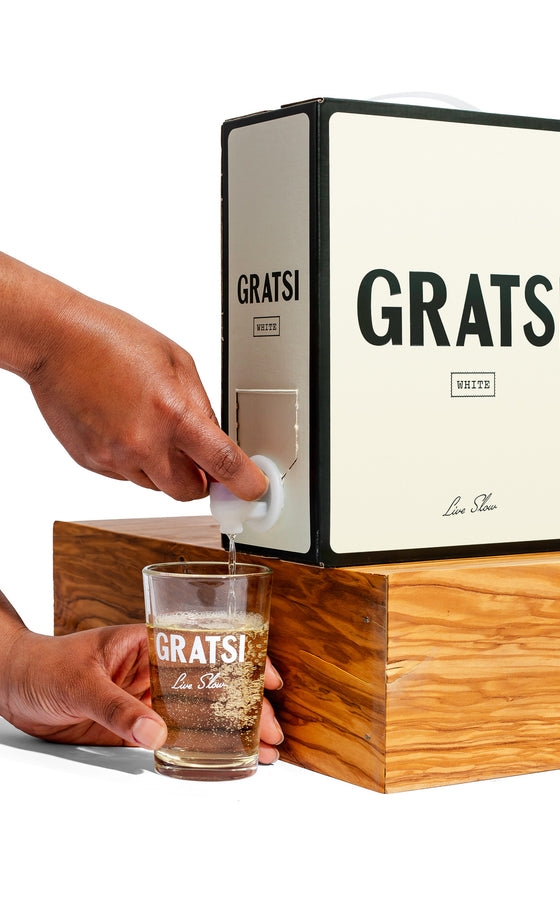
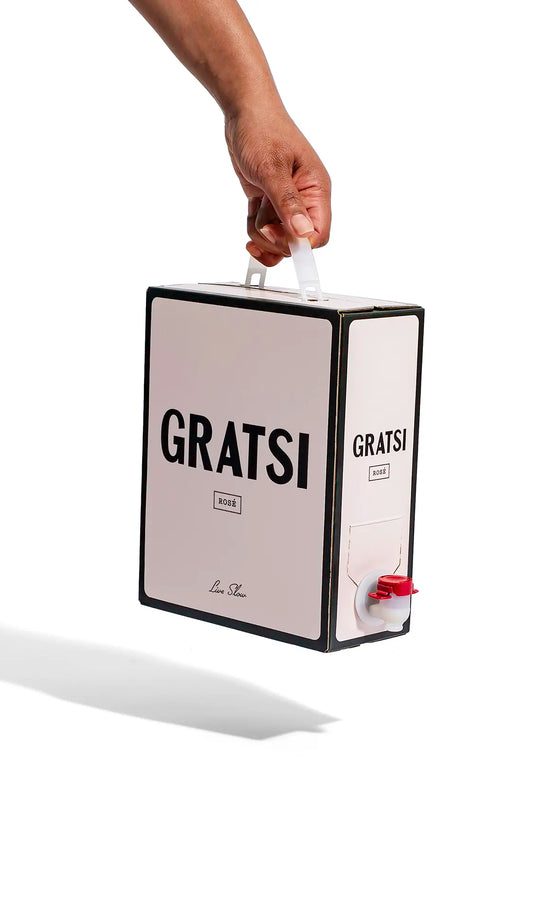
Small sustainable choices add up — from composting your kitchen scraps to choosing Gratsi boxed wine over single-use glass bottles.