

Happiness guaranteed or money back.
Subtotal$0.00
Taxes & ShippingCalculated at next step


Keeping Olive Oil Fresh
By Austin Holdsworth
February 13, 2026
For more than 2,000 years, Mediterranean dishes have been dowsed, marinated, fried, roasted, seasoned, drizzled and sizzled in a liquid whose benefits are worth their weight in gold. Long before we knew the earth was round, we knew that olive oil, extra virgin olive oil to be precise, possessed powerful health benefits. Beyond its nutritional strength, it enhances the flavour of almost everything it touches (and yes, that includes dark chocolate mousse drizzled with olive oil, popcorn infused with olive oil and sea salt, and lemon olive oil cake, don’t knock them until you’ve tried them). While olive oil is now a kitchen staple for many of us, it’s entirely possible that the way you’re storing olive oil is sabotaging its flavour, health benefits and olive oil shelf life. Light, heat and oxygen can all take their toll, transforming this ancient elixir into something far less desirable. So why does olive oil go bad, and how can you keep it fresh longer?

Unlike our other favourite liquid (wine, of course), olive oil does not get better with age. It can be tempting to buy it in bulk, especially when you find a bottle you love, but the fresher the olive oil, the better. Olive oil is at its peak when it’s newly harvested, vibrant and young. Ideally, check the harvest date on the bottle when purchasing your olive oil. It should be within the last year. Once opened, aim to consume it within three to six months to preserve optimal flavour and nutritional value.
Extra virgin olive oil (EVOO), the highest quality and least processed type, contains natural antioxidants such as polyphenols that help protect it. Refined oils tend to have a longer neutral shelf life but lack the same vibrant flavour and antioxidant content. Regardless of the type, olive oil is a fresh ingredient, not a pantry relic.
Three elements determine how long olive oil lasts:
All three accelerate the oxidation of olive oil, degrading both flavour and nutritional value.

Storing olive oil next to the hob, while convenient, is one of the most common mistakes. Proximity to heat and sunlight has a measurable adverse effect. Your best bet for olive oil preservation is to store it airtight in a cool, dark kitchen cupboard, safely tucked away from light, heat and air.
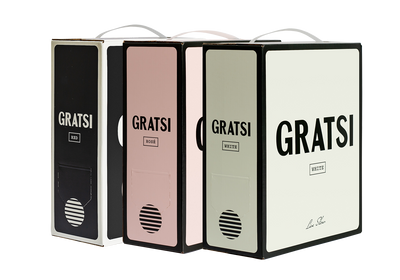
Avoid brands that bottle their oil in transparent glass or plastic containers, as these are rarely a sign of quality. Dark glass bottles, ceramic or porcelain vessels, stainless steel, or opaque bag-in-box formats are better options because they limit light exposure. Packaging matters more than most people realise. Light degrades oil gradually, even when the bottle is simply sitting on your counter. And every time you pour from a traditional bottle, air re-enters the container, increasing oxidation over time. Some modern olive oil containers, like bag-in-box formats, are designed to limit both light and air exposure by collapsing as you pour. This reduces oxygen contact and helps maintain more consistent flavour from the first pour to the last.
Each time you use your olive oil, replace the lid securely. Repeated air exposure adds up. If you prefer to decant oil into a ceramic or stainless-steel olive oil container for everyday use, that’s perfectly fine. Just decant small amounts, enough for short-term use, while keeping the rest protected from light and air.

Oxidation occurs when olive oil reacts with oxygen, heat or light. Over time, this chemical reaction breaks down antioxidants and alters the oil’s structure, reducing both flavour and nutritional quality. It’s a slow process, but once it starts, it cannot be reversed.
You’ll know unmistakably when olive oil has turned rancid. Its once-vibrant, herbaceous aroma dulls into waxy, musty notes, often reminiscent of sour cucumber or overly ripe banana. The crisp, peppery bite fades, replaced by a flat, unpleasant flavour quite unlike the taste when you first opened the bottle. Fresh olive oil should smell grassy, bright and slightly peppery. If it smells tired, it probably is.
To prolong olive oil shelf life:
Remember, olive oil is not meant to age. It’s meant to be used.
When selecting an olive oil container, prioritise protection over aesthetics. Dark or opaque containers reduce light exposure. Airtight seals reduce oxygen contact. Formats that minimise air re-entry, such as certain bag-in-box designs, can help preserve freshness more consistently than traditional bottles that repeatedly refill with air after each pour. The goal is simple. Protect the oil from its enemies.
Once opened, aim to finish your olive oil within three to six months. If you buy in larger quantities, make sure the packaging protects the remaining oil from light and oxygen so that it doesn’t deteriorate before you can enjoy it.

Extra virgin olive oil deserves considered consumption. Enjoying it raw, drizzled over salads, vegetables, pasta, fish or meat, allows its flavour and polyphenol content to shine. However, there are persistent misconceptions around cooking with olive oil that deserve to be addressed.
Much of the concern centres on olive oil’s so-called smoke point, with claims that heating it strips away all nutrients or renders it unhealthy. In reality, extra virgin olive oil is remarkably stable thanks to its antioxidant content and fatty acid composition. While excessive overheating should be avoided, EVOO can safely be used for most everyday cooking methods. Compared to many refined vegetable and seed oils, it performs exceptionally well under heat, making cooking with olive oil both practical and beneficial.
Choosing a high-quality extra virgin olive oil, harvested within the last year and stored in protective packaging, will help guarantee the flavour and freshness that make it a joy to cook with. Once you’ve chosen your olive oil, preserving it correctly at home is equally important. Protect it from light, air and heat. Use it generously. Finish it within six months of opening. Treat it well, and it will return the favour in every golden drop. Dive deeper into Italian kitchen wisdom with Keep Wine Fresh, Italy’s Very Own Blue Zone, and Cooking Olive Oil vs Finishing Olive Oil. Best enjoyed with a box of Gratsi boxed wine.
