
Subtotal$0.00
Taxes & ShippingIncluded
Recipes, Guides, Lifestyles by GRATSI

Campania is a region in southern Italy known for its rich history, rugged coastlines, ancient ruins, and delicious cuisine (think Margherita pizza, creamy pastries, and buffalo mozzarella). Its capital city of Naples and famous sea-side towns such as Sorrento, Amalfi, and Positano tend to shine in the spotlight. Naples is also widely credited as the birthplace of the Margherita — if you want the full story, our guide to the history of pizza traces it back to its Neapolitan roots. But when overpopulated summer getaways become anything but exciting and the bustling capital is too much for your senses to handle, plenty of lesser-known destinations deserve a second look. Discover five hidden gems in Campania worth exploring on your next Italian getaway. If you enjoy exploring Italy off the beaten track, our guide to Tuscany's hidden gems covers five equally underrated spots further north.
Campania's food culture is inseparable from its olive oil — and understanding single-origin vs. blended olive oil will deepen your appreciation for every meal you eat there. If you're planning a wider Italian trip, use our Mediterranean travel calendar to time it perfectly, and pair this with a read on Sardinia off the beaten path for another region that rewards the curious traveler.
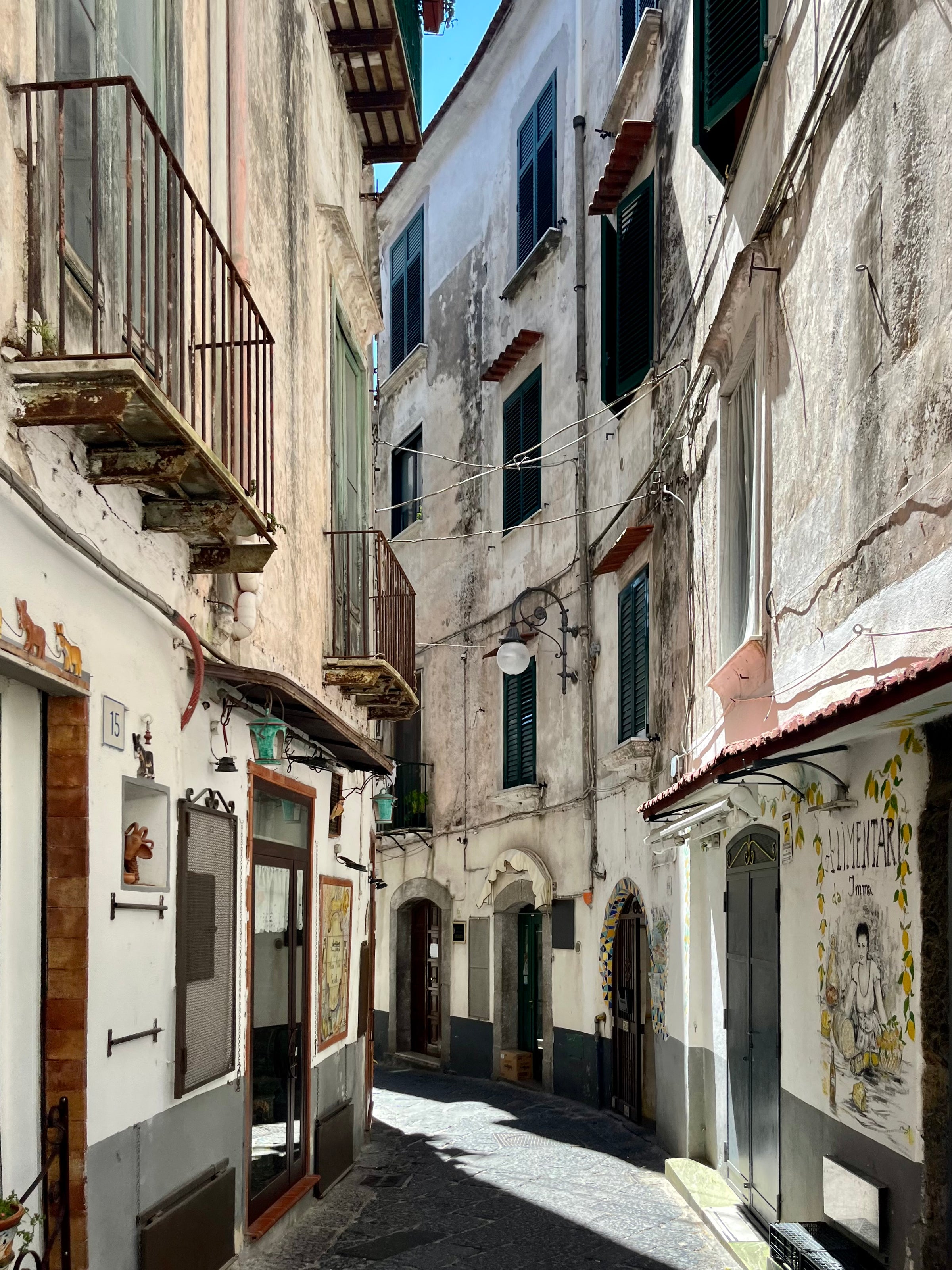
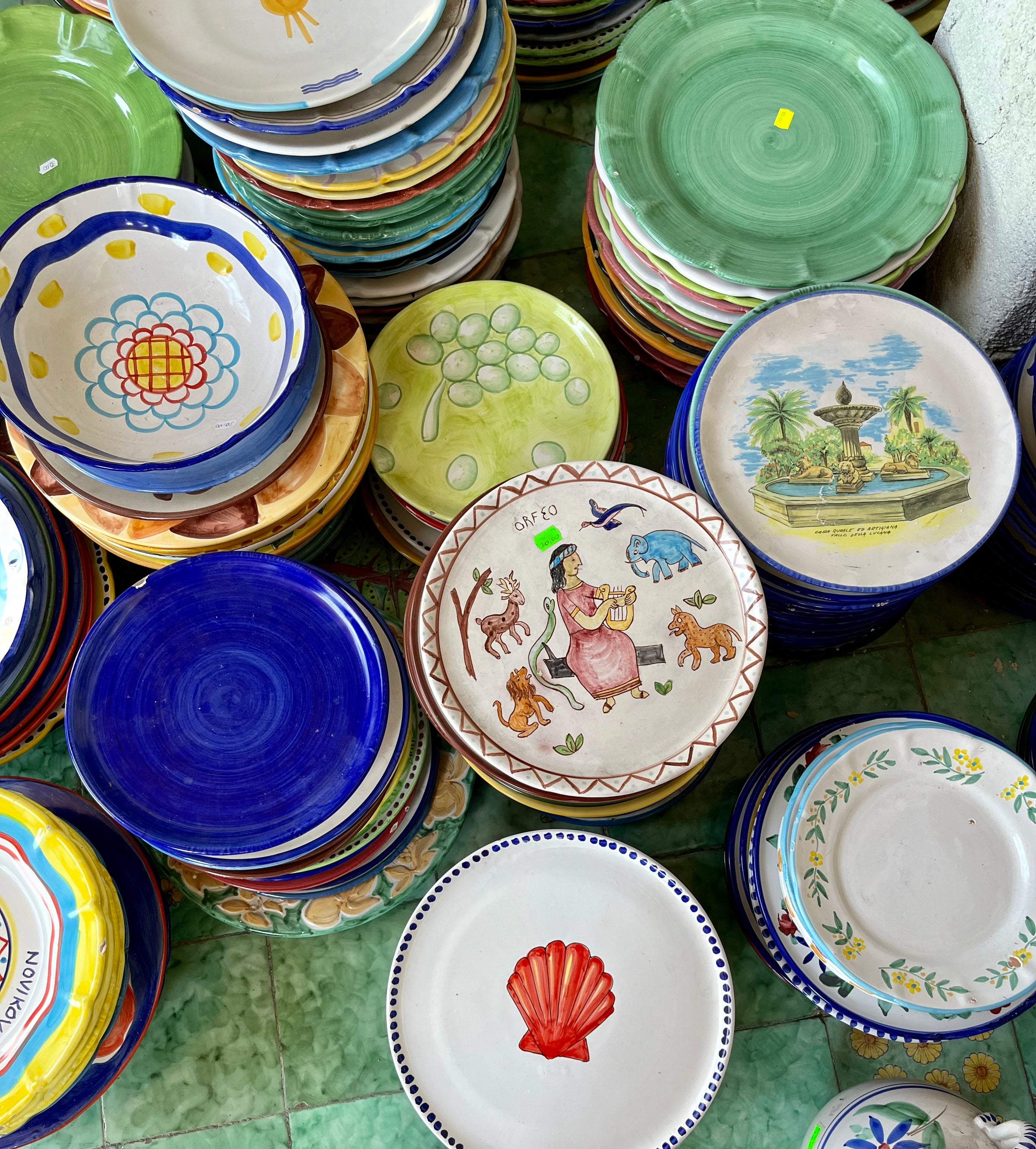
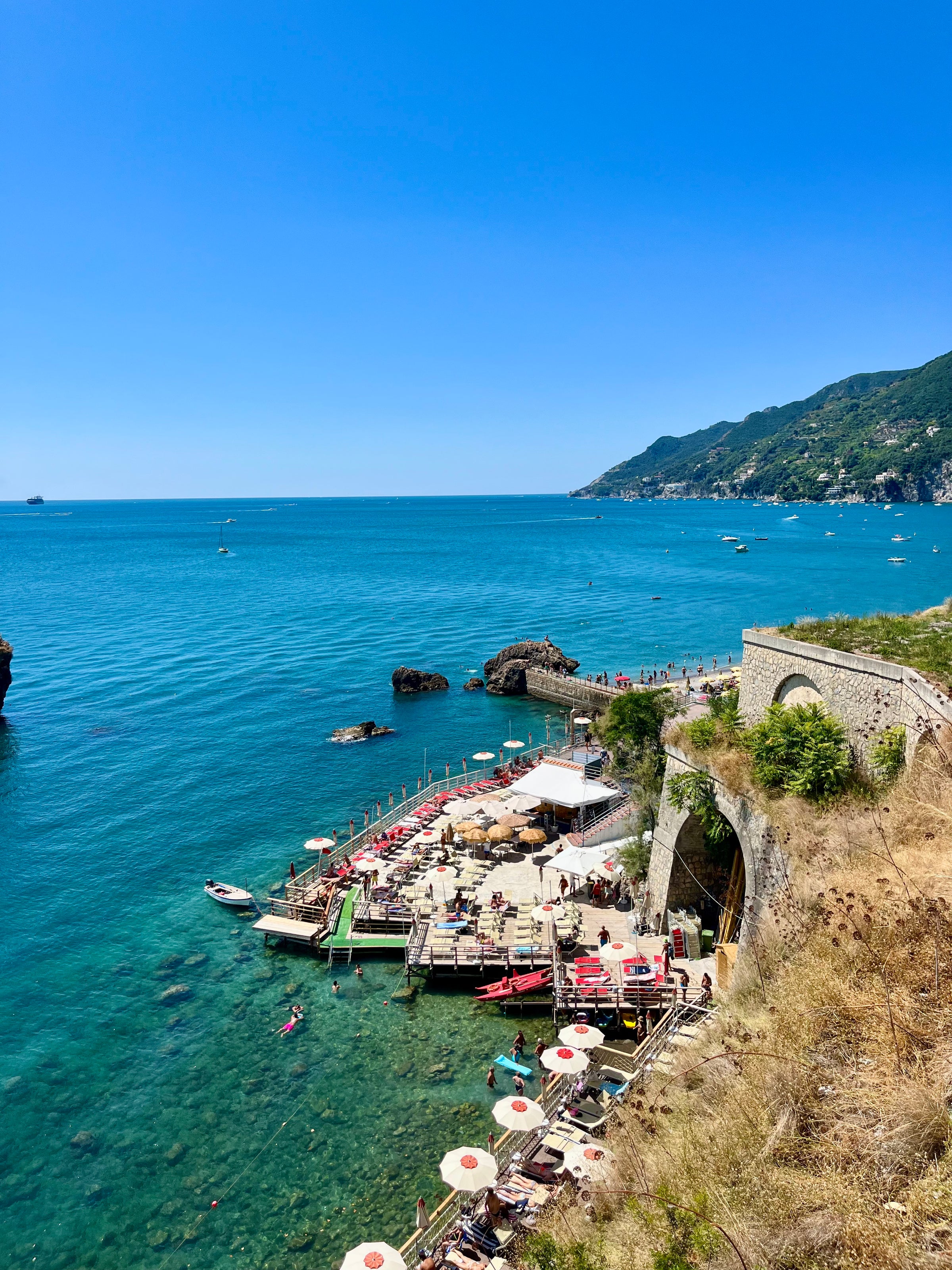
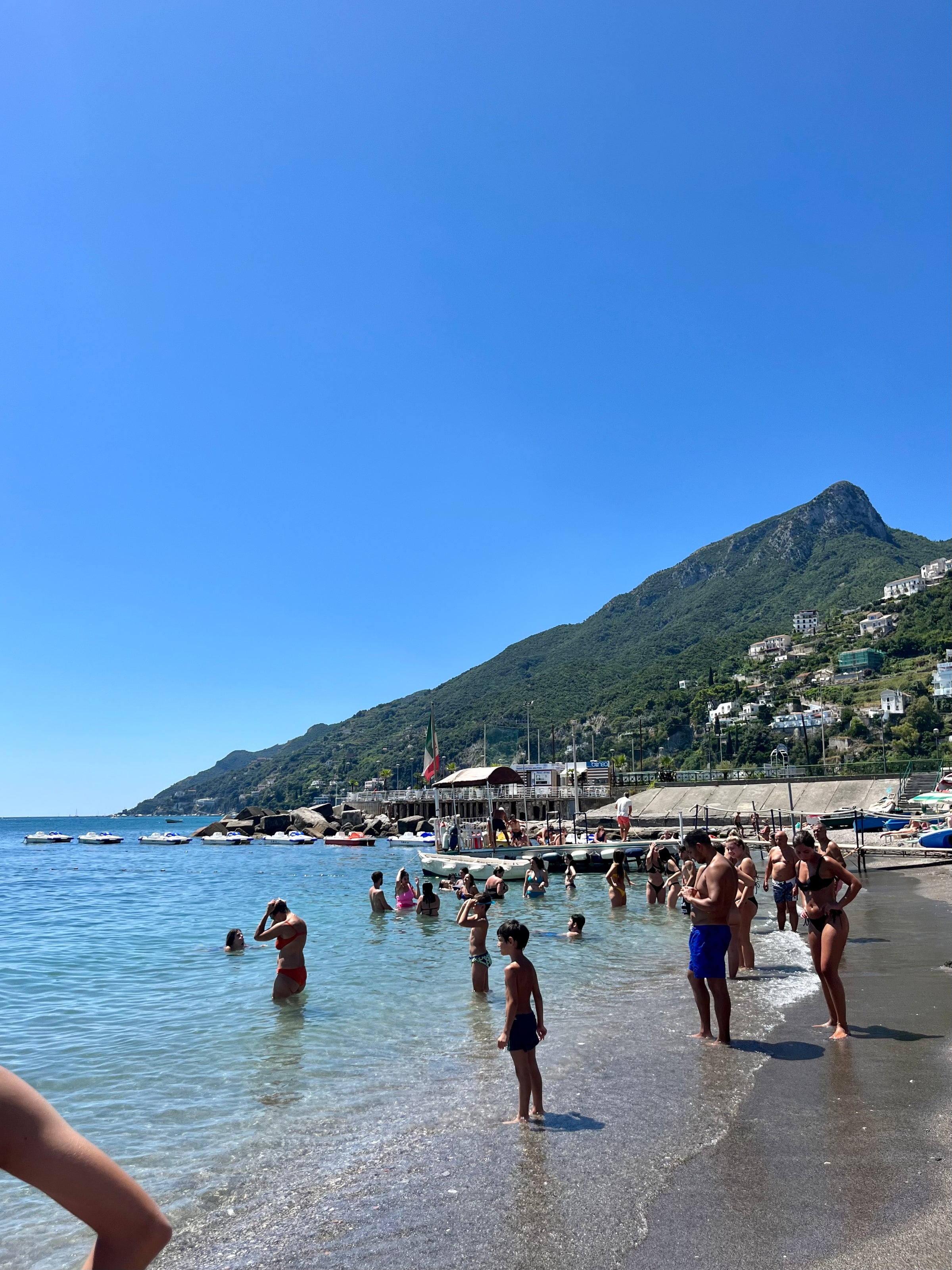
Skip overly-populated Positano and Amalfi and head to Vietri sul Mare, a small town on the Amalfi Coast. Known for its beautiful ceramics, it is often called the "Ceramic Town" and perched on a hillside overlooking the Tyrrhenian Sea, offering breathtaking coastal views without crowds and condensed streets. Vietri sul Mare is famous for its traditional hand-painted ceramics, which have been produced in the town for centuries, and can be found for sale in many shops and boutiques that line the streets. Aside from its ceramics, Vietri's charming historic center is a must-see. The Church of San Giovanni Battista, located in the main square, dates back to the 10th century and is adorned with beautiful ceramic artworks. Like Positano, Vietri offers crystal clear water-lined beaches where visitors can relax and soak up the sun. Marina di Vietri is the main beach in town and is a popular spot during the summer months. If you're feeling like a splurge, book a sunbed at Crestarella.
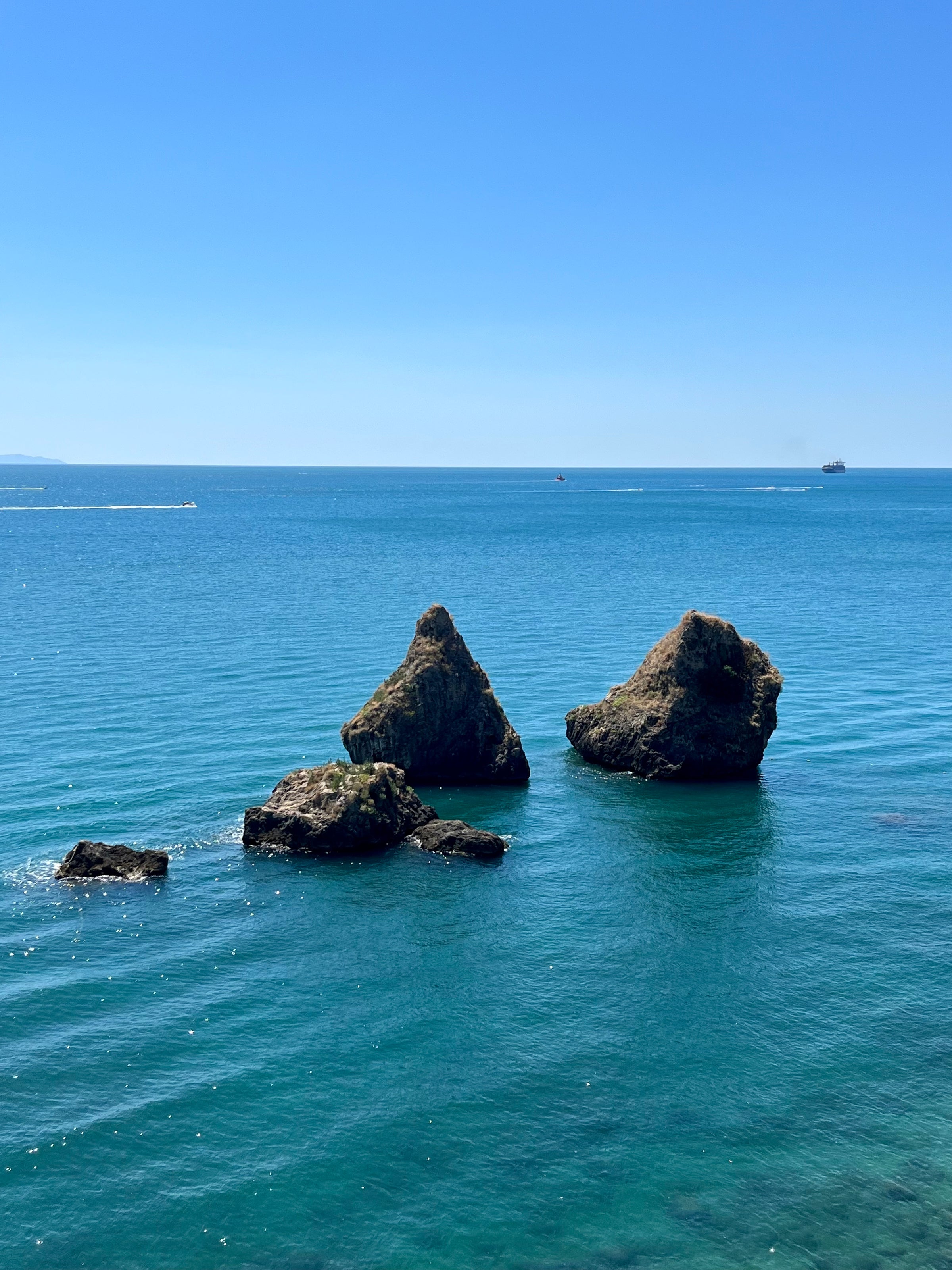
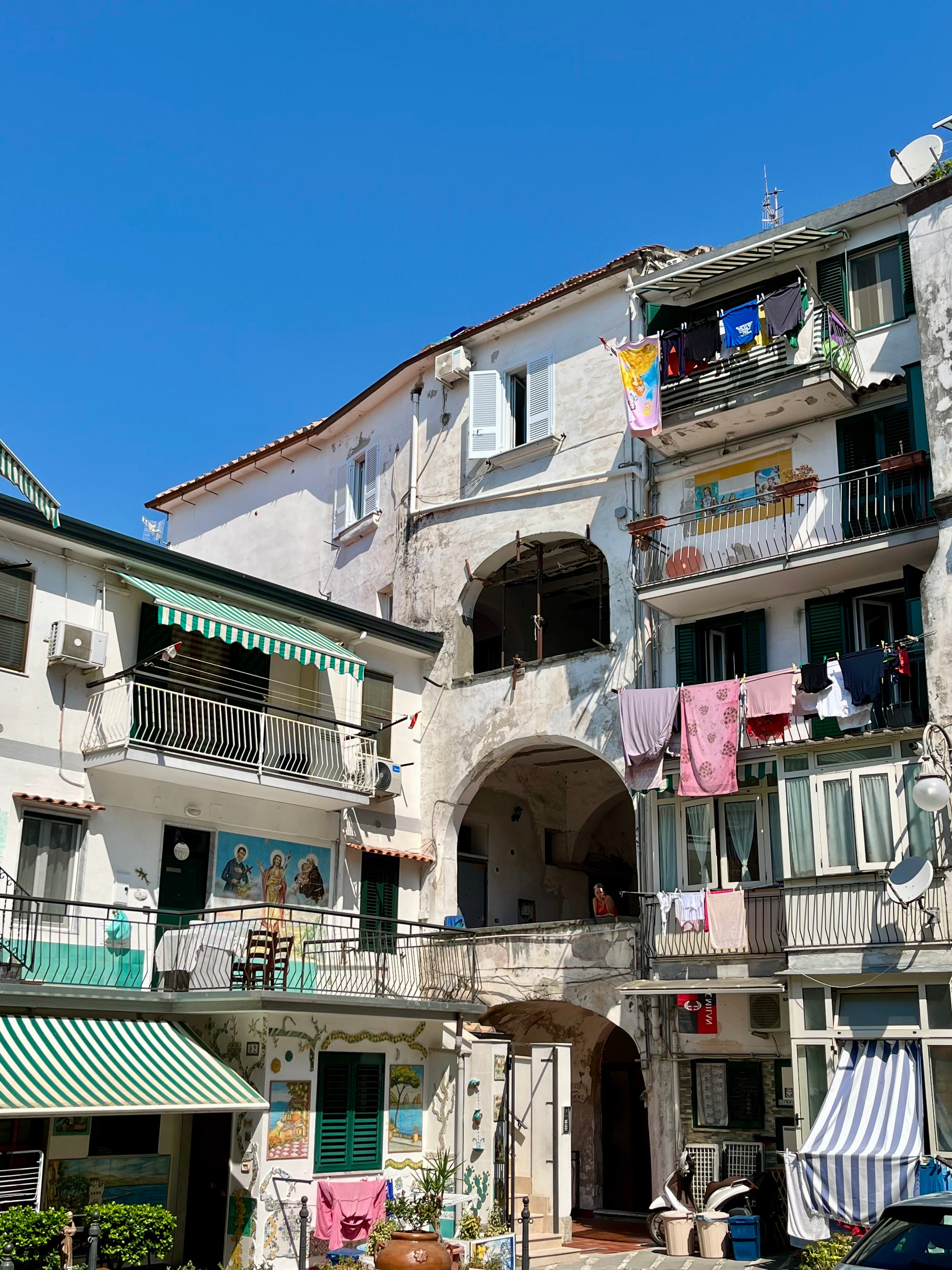
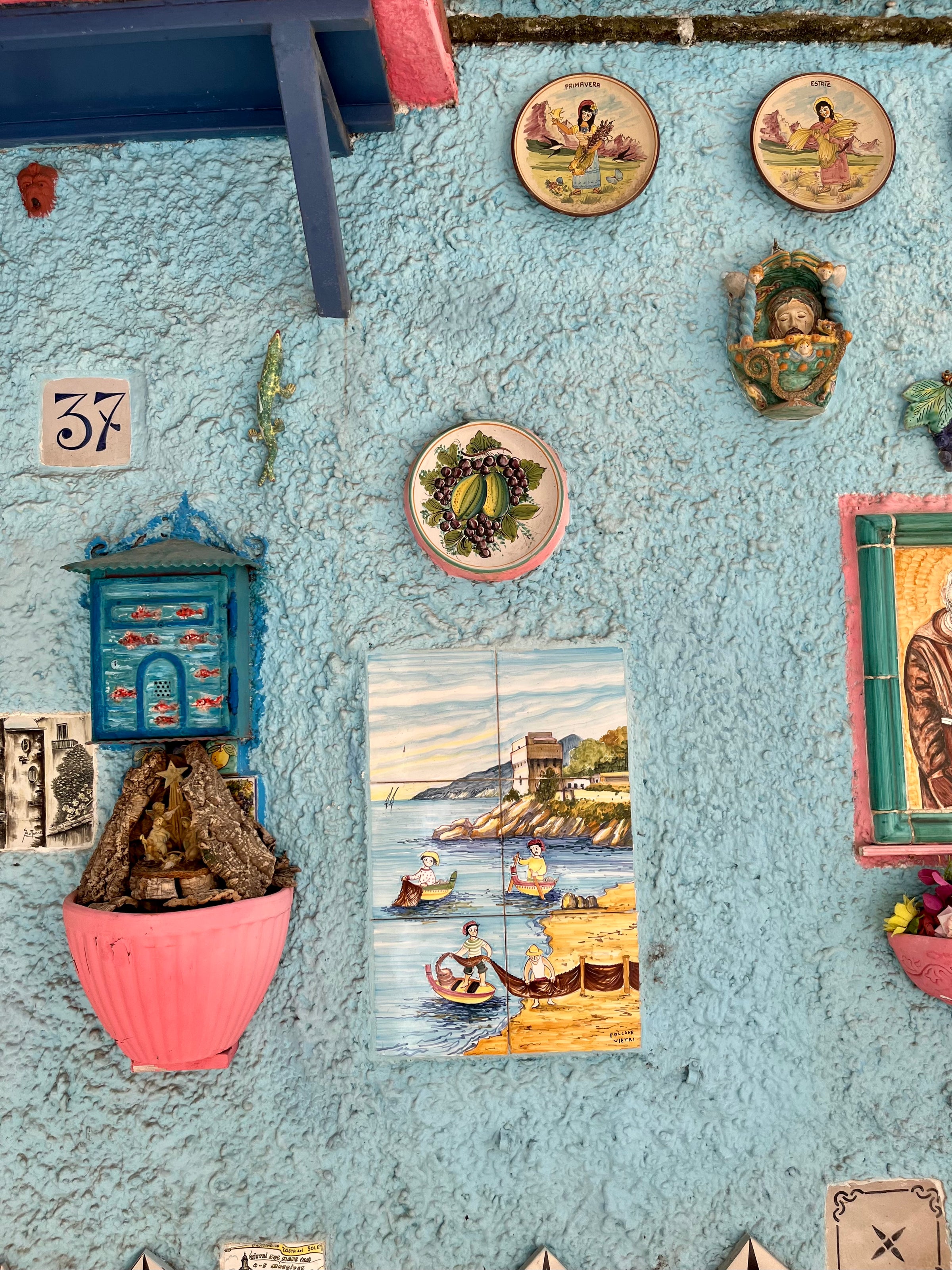
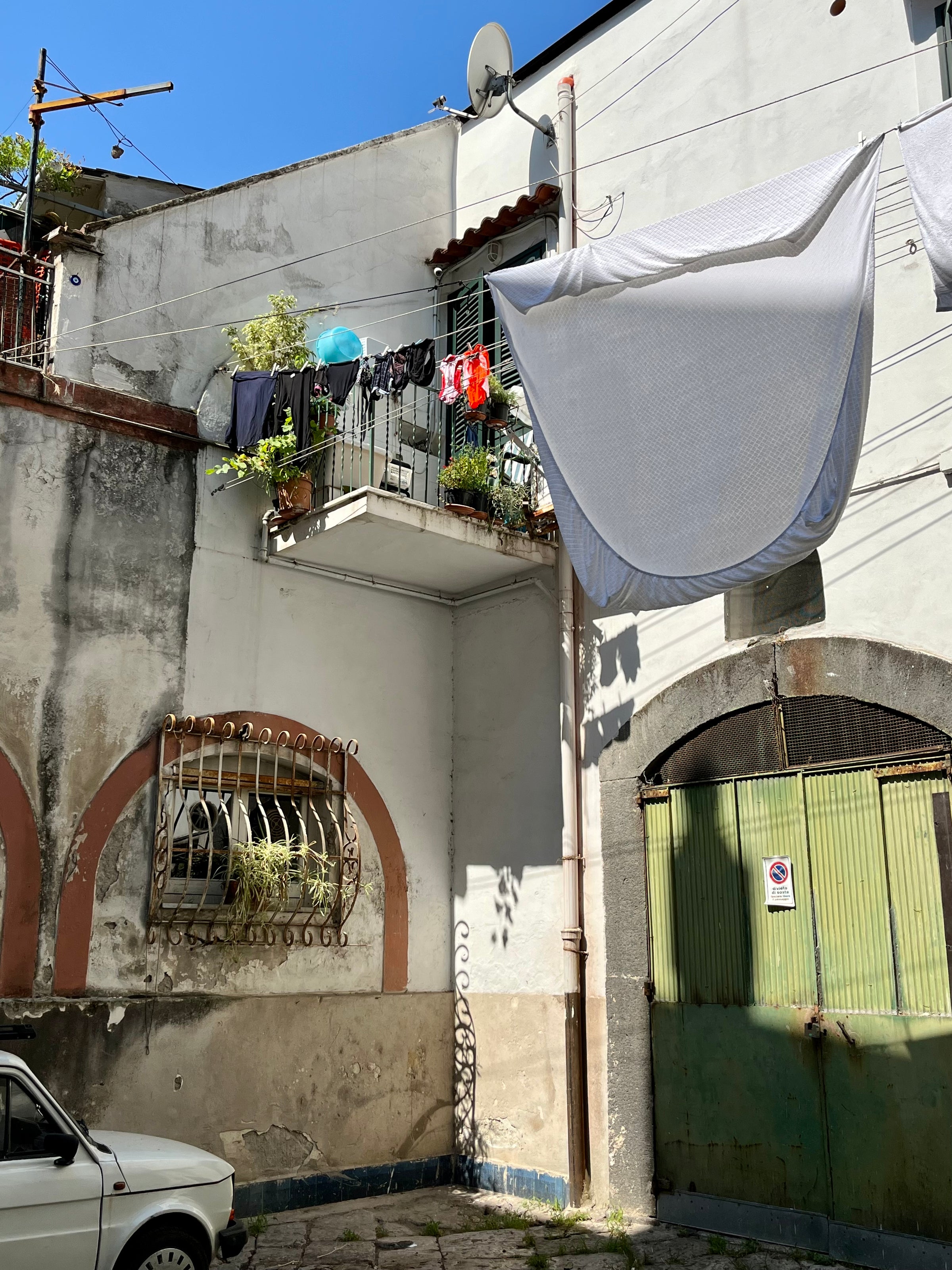
Although not a city but rather a national park, I recommend exploring Mount Vesuvius and its surroundings if you have a day or two to spare after visiting Naples or neighboring coastal villages. Typically only seen from a distance, Mount Vesuvius is a treasure full of stunning landscapes, rich flora, and breathtaking views, rising nearly 1,300 meters above sea level. The Vesuvius National Park consists of 11 paths for a 54 km walkway that is done solo or with a tour. Surprisingly, after a morning in mother nature, the volcanic terrain is home to various vineyards on the slopes. In Campania, wine production has a long history dating back centuries. Despite its lack of fame compared to other wine regions in Italy, Campania is now emerging as a popular destination for wine enthusiasts. The favorable climate and volcanic soil make the region well-suited for viticulture. Cantina del Vesuvio Winery by the Russo Family is worth a visit.
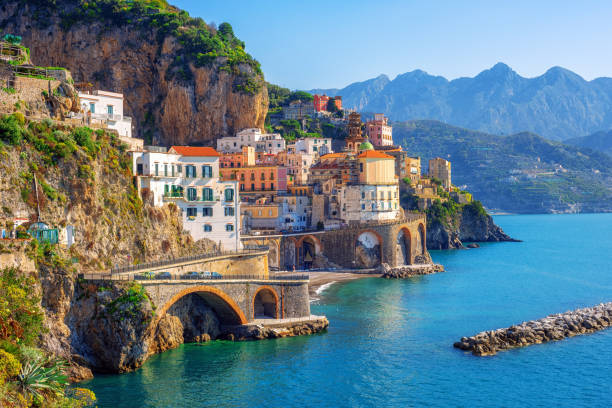
Did you know Italy' s smallest town is in Campania, specifically along the Amalfi Coast? Atrani, home to nearly 900 residents, is made for those looking to experience the authentic southern Italian coastal life that is peaceful and relaxing. Despite its small size, Atrani has notable landmarks, stunning beaches, and mouth-watering cuisine that will make you want to stay for a four-day weekend. The Church of San Salvatore de' Birecto dates back to the 10th century and is decorated with beautiful frescoes in the center of town. Atrani's beaches are reachable on foot, and the views are some of the best along the Amalfi Coast.
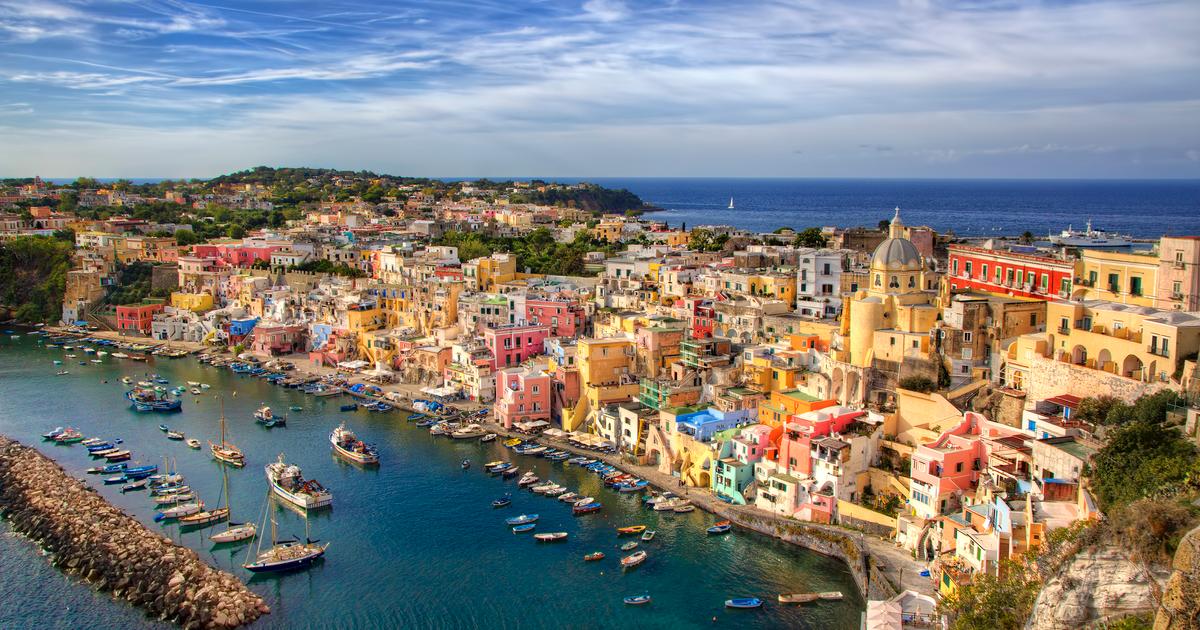
Located in the Bay of Naples and typically overlooked by glitzy Capri and easy-living Ischia, Procida is the smallest island of the bunch and my favorite. Known for its colorful houses and picturesque landscapes, the island has increased in popularity after being voted Italy's Capital of Culture in 2020, yet it remains unique and secluded. Procida is especially magical during winter festivals — Carnevale in Italy brings colour and pageantry to the island's narrow streets, making it worth visiting well beyond summer. Being an Island, Procida is perfect for a long weekend summer holiday thanks to its beautiful beaches and charming atmosphere. Still, I love to explore this vibrant gem in the off-season, like October or early April. Start the day in Procida's main harbor, Marina Grande, where visitors can watch fishermen bring in their daily catches and mend their nets, providing a glimpse into the island's traditional way of life. Southern Italians are famously expressive — before you go, it's worth brushing up on your Italian hand gestures so you can keep up with the locals. Get lost exploring Via Roma, Procida's main drag, where there are local shops and quaint bars where you can eat a conventional island breakfast: espresso with Lingua di Suocera, which translates to "Mother-in-law's Tongue," a pastry filled with cream special to the village. After breakfast, head to the beach (I love Spiaggia Chiaia) or explore Palazzo D'Avalos, Procida's palace, and Marina Coricella, the island's oldest fishing village.
South of Naples on the border of Italy's southern region Basilicata, Cilento is a geographical region in the Campania, known for its picture-worthy coastline, numerous villages, mesmerizing crystal blue waters, and unspoiled nature. The area is home to the Cilento and Vallo di Diano National Park, a UNESCO World Heritage Site, which is an important protected area for wildlife and rare plant species and occupies over 70% of Cilento's landmass. The shoreline of Cilento is dotted with charming towns and fishing villages, such as Acciaroli, Agropoli, Castellabate, and Palinuro to name a few. These towns offer a peaceful and laid-back atmosphere, with beautiful sandy beaches and waters that make you feel like you're in the middle of Sardinia or the Maldives— best enjoyed, we think, with a chilled glass of Gratsi rosé in hand.
For those chasing similarly unspoiled Mediterranean coastlines, northern Corsica offers the same raw beauty further west.