Happiness guaranteed or money back.
Subtotal$0.00
Taxes & ShippingIncluded


NONNA WISDOM
By Gianina Rose
January 23, 2026
Rome is one of the most touristic cities in the world. It’s obvious, you know it even before you arrive. And yet, when you experience the city up close, something strange happens: even when you do the most obvious things, the ones you think you already know, Rome still manages to hit you. Eating in a place frequented by tourists doesn’t necessarily mean eating badly. Stopping in front of the Colosseum, even after seeing it a thousand times in photos, is never automatic. You actually stop. You look at it. Once again, amazed. Maybe because Rome doesn’t lose its power, even when you already know it. It’s beautiful even when it’s obvious, even when it’s crowded, even when it’s exactly what you expected.
Rome is too big to be taken in all at once, so I chose to cross it the way you do with people: one piece at a time. A morning, a lunch, a walk, a square. Without the anxiety of having to see everything, but with the time to really look. Every neighborhood has a different character, its own voice. Gestures change, relationships change, even the way people stop to talk changes. And that’s where Rome tells its story best: not in the monuments, but in the life that surrounds them. From a quiet morning in Garbatella, to the lively squares of Trastevere, all the way to the popular heart of Testaccio.


Garbatella, the microcosm that saves you from the city’s chaos The first stop is Garbatella, a neighborhood that doesn’t resemble the most common idea of Rome. Walking through it, you feel like you’ve ended up in a small town tucked inside the capital, a place that has preserved such a strong identity that you feel it immediately, without explanations. Garbatella is made up of housing blocks, small buildings gathered around internal courtyards where gardens are cared for as shared spaces. Laundry lines become part of the landscape, and benches are never just benches, but meeting points. It’s architecture designed for living together, and you understand it as you walk, when the city suddenly seems to turn its volume down. Here, time feels frozen in an era when children played in the streets, there was a neighborhood bar, the small grocery store downstairs, and habits were simple. Things you usually associate with small towns, but that surprise you by still being so alive in a large capital city. And then there are the residents: present, kind, and deeply Roman. In Garbatella I spoke with a man named Gianni, out walking his little dog. I asked him what it’s like to live there, whether he’d trade it for somewhere else. And he, with the simplicity of someone who has nothing to prove, told me something like this.
“Life is made of days that are the same and beautiful. You go out, walk the dog, chat with friends, go back home… and then in the evening you go out again and have an aperitivo.” In his eyes there was a kind of serenity that today feels like a luxury, but for him was simply home. Another woman told me she would never leave. And everyone, in different ways, repeated the same thing. Garbatella is a microcosm that saves you from the city’s chaos.


Where to eat in Garbatella For lunch I followed a very clear instinct: artichokes. I went to Tanto pe’ Magnà, on Via Giovanni da Castel Bolognese, and started my personal Roman artichoke tour here. I had them fried, crispy, bold, and decisive.

Trastevere, Rome’s human theater Trastevere is the neighborhood where I spent the most time.
Entire days, from morning to night, trying to understand how the air changes, how people move, how the same square can tell completely different stories depending on the hour. One of Trastevere’s hearts is Piazza San Calisto, a square that doesn’t need attractions because it’s already a daily ritual. On one side, every day at the same time, there’s a group of elderly men who meet to play cards. On the other side of the square, there’s a man who builds paper airplanes using newspaper scraps and recycled materials. He’s there with his bicycle, a music speaker in the bike basket, hands that never stop moving, and as he builds, he tells stories. Not to attract attention, but because it’s part of what he does. In a way, his presence feels like a silent answer to the card table. Two different ways of occupying time, of being in public space, of leaving a mark. Watching them, facing each other, I had the feeling of witnessing a small, everyday balance. People who keep doing what they’ve done for years, in the same place, in front of anyone who wants to stop and watch. That’s what makes Trastevere so alive.


Via della Luce and the smell of cookies Walking without haste, I arrived on Via della Luce. Here, something very specific happens. The smell comes before the sight. You smell Biscottificio Innocenti before you see it. The scent from the oven fills the street, intrigues you, pulls you inside. Behind the counter is Stefania. Shy, smiling, always with her hands in dough. If she’s not with the cookies, she’s at the register. If she’s not at the register, she’s at the oven. The workshop is tiny, authentic, and above it there’s a child’s drawing that says “Stefania the cookie maker.” That’s enough to understand how deeply this place has entered the heart of the neighborhood. It’s a business that’s been going for generations, thankfully untouched by aggressive tourism. You enter here with respect, knowing that not everything needs to be shared.


Checco er Carrettiere, eating like at home since 1935 Shortly after, Trastevere changes tone again.
I step into Checco er Carrettiere, a true Roman institution, active since 1935. Here I meet Stefania, the founder’s granddaughter. Her grandfather, Checco, used to sell wine from a cart. That’s where the name comes from. Her grandmother, on the other hand, had a flaw: she cooked too well. The solution was simple and brilliant. Open an osteria. Over time, this place became home for the people of Trastevere, then a reference point for actors, directors, and writers. The walls are covered in photographs that tell all of this. But Stefania often repeats one thing. Being an institution is an honor, but above all, a responsibility. Here, you eat like at her house, not according to trends. I tasted “Carciofo alla giudia”, “Carciofo alla romana”, “Carbonara”, “Spaghetti alla carrettiera” and a taste of “Coda alla vaccinara”. When tourists tell her “You’re the best,” she replies with pure Roman irony. “Of course I know. You don’t need to tell me.” And that’s exactly the point.


Rosina, the Nonna as a contemporary idea The next day I return to Trastevere for lunch, at Rosina Casa e Cucina on Via del Conservatorio.
Here, tradition isn’t inherited. It’s inspirational. It’s not a restaurant that’s been passed down through generations, but one that follows generations.
Rosina doesn’t come from generations. It follows them. Roman grandmothers aren’t a narrative excuse. They’re a real reference. In the dishes, in the objects, in the atmosphere. The interiors feel like a home, not a reconstruction. A scale resting there as if it’s always belonged, laundry hanging, an old telephone, handwritten recipes on the walls. Here, tradition and the present don’t compete. They walk together, naturally. And maybe that’s the point. Remembering doesn’t mean stopping, but finding an honest way to carry forward what matters. The stickers with phrases from Roman grandmothers, written in dialect, are the final perfect detail. Not just any souvenir, but something you take with you to keep remembering what it felt like to be there. I ate raw artichokes in salad with parmesan, olive oil and salt, “Amatriciana”, and grandma’s meatballs.


Testaccio Testaccio isn’t a place that arrives with flashy promises.
It was born from a hill of shards, a pile of broken amphorae and everyday materials that tell the story of ancient Roman trade, where goods arrived via the Tiber and were distributed. At the center of everything is the Testaccio Market. A place that isn’t just a market. It’s the heart of daily life. Fruit and vegetable stalls, cuts of meat, fish, cheeses, and above all, the most authentic Roman street food. The kind that tells the story of everyday cooking, not myth. Stuffed bread, porchetta, tripe, and sandwiches whose vendors know names and faces, repeated day after day under the same glass and metal roof. Lunch at Checchino, a story going on since 1887. For lunch I stop at “Checchino dal 1887”, another pillar of Roman cuisine.
The restaurant has been here, between the old slaughterhouse and the market, since 1887. Outside, wooden tables under red colored buildings, a cursive sign, trees that make the atmosphere relaxed, almost suspended. Inside, all the history of the generations who have carried this place forward. I met Francesco, one of the owners, who together with his sister, brother, and nephew continues a family tradition. He tells me about Monte dei Cocci, how the neighborhood was formed, and what it means to live in Testaccio today. At the table arrive carbonara, gricia, and inevitably another carciofo alla romana. Eating here isn’t just eating well. It feels part of a continuity. It’s knowing that what’s on your plate has passed through many hands before you, and will continue to do so after.


A tourist detour worth taking After lunch I made a detour. The famous keyhole. Yes, it’s touristy. Yes, there’s a line.
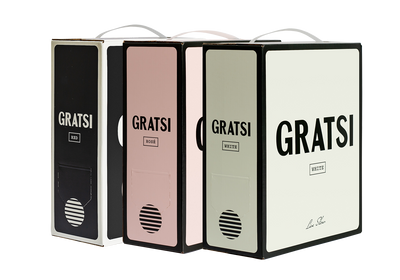
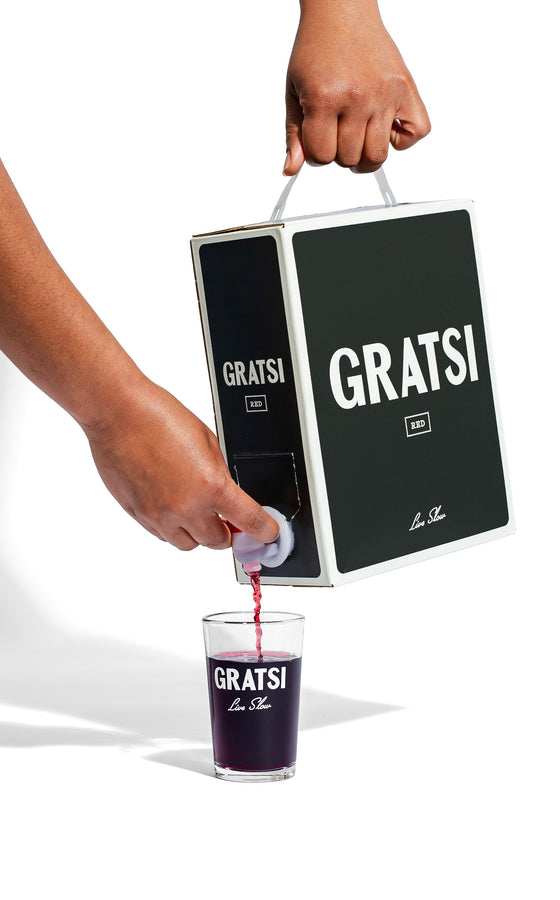
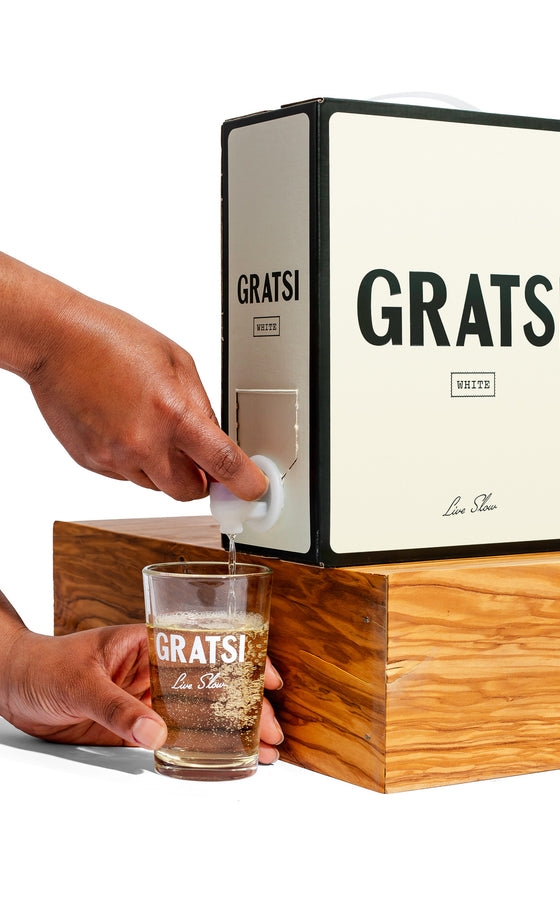
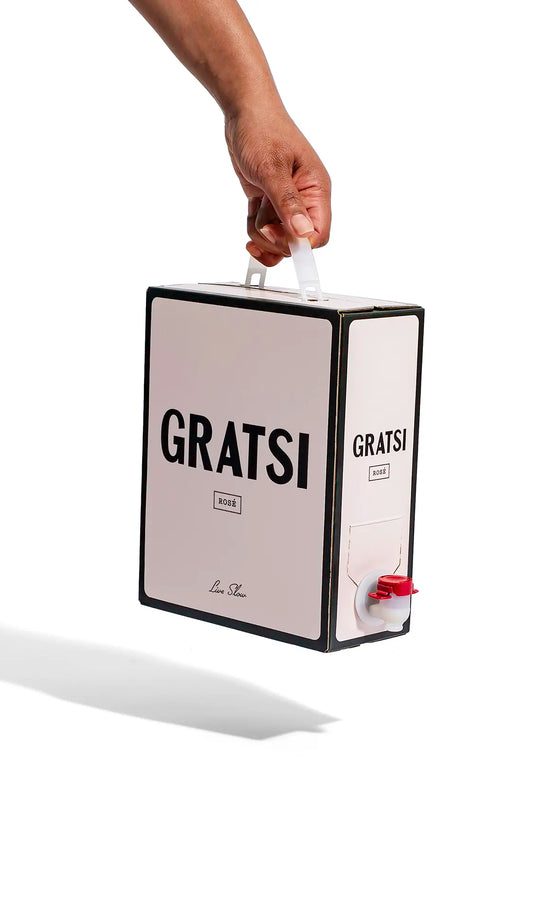
But it’s one of those experiences that work better if you look with your eyes first and take the photo later. Rome, even when photographed a thousand times, still manages to surprise you. And maybe that’s the secret. Never stop living it as if it were the first time. Two sunsets over Rome Sunsets, wherever you are, have this strange ability to make you uncomfortable in the most delicate way. Not because something dramatic happens, but because suddenly you realize you’re stepping, uninvited, into other people’s lives. You stop somewhere, maybe chosen specifically to watch the sky, and instead you end up watching people. How they move, who they’re with, how they choose to be in that moment. Every sunset is a show staged for everyone, a film projected every evening that no one pays to see, but that everyone, in some way, cares about. You can stay on the sidelines, observe in silence, or you can become a protagonist without doing anything special, simply letting the moment pass through you. That’s the strangest part. You don’t have to do anything to be part of it. You already are. Some people watch the sunset alone, as if it were a personal ritual, a silent dialogue with themselves. Some share it, move closer to someone, hold hands, take a photo, or keep their phone in their pocket, as if they want to preserve everything just as it is. And you’re there, in the middle, observing fragments of lives you don’t know and probably will never meet again, but that for a few minutes feel incredibly close. It’s a subtle, almost fragile feeling. Witnessing something that doesn’t fully belong to you, but that you’re allowed to be part of. Maybe that’s why sunsets always work, everywhere. Because they don’t speak about the place you’re in, but about the people who inhabit it at that exact moment. The first sunset I recommend is from Gianicolo. From here, Rome opens up completely, without filters. It’s a layered, profound view that makes you feel small and privileged at the same time. The second sunset is from Pincio Terrace. The Gianicolo looks at the Pincio, and the Pincio looks at the Gianicolo. Same city, two different gazes.


A sunrise to say goodbye to Rome To close the trip, I recommend a different experience. Sunrise.
I watched it from the terrace of the Altare della Patria. Very early, around 4:30 a.m., but it’s worth it. Watching the sun rise over the Imperial Forums as the city wakes up is something that stays with you forever. Guards starting their shifts, street cleaners at work, the first people heading to their jobs. All of this happens in a setting that feels like it belongs to another era. And that’s when you understand one thing. Rome is a city that seems still, but is constantly living on top of itself. At the end of this journey, one certainty remains. Knowing all of Rome is impossible. It’s too big, too layered, too full of lives to be grasped all at once. But something can happen. By breaking it into pieces, choosing one neighborhood at a time, observing it fragment by fragment, you start to understand it. Ah, I almost forgot. Before leaving, or even just for a break between one walk and another, there’s one thing you can’t skip. Breakfast or a snack at Er Maritozzaro. Because you can see everything, walk everywhere, study the city as much as you want, but you can’t leave Rome without having eaten a maritozzo. For more on Rome's hidden neighborhoods and the true spirit of the Eternal City, explore our guide to 48 Hours in Rome, our post on Exploring Naples: Italy's Blue City, and our article on Away from the Maddening Crowds: Hidden Gems of Lazio. Whatever neighborhood your Roman wandering takes you to, bring along a box of Gratsi Boxed Wine.

