

❤️ Love it, guaranteed
Subtotal$0.00
Taxes & ShippingCalculated at next step


Choosing The Right Olive Oil
By Austin Holdsworth
February 24, 2026
After the final crack of pepper, grate of parmesan, and scatter of herbs over the showstopper dinner that you’ve prepared for your eagerly awaiting dinner guests, how could you not reach for your prize bottle of olive oil and add one last drizzle? From the moment you began toiling in the kitchen hours earlier, that liquid gold has been your constant companion. You’ve used it to marinate the meat, slow roast the vegetables, gently sizzle the soffrito. It has been both the workhorse and centrepiece, capable of withstanding heat or stealing the spotlight with nothing more than a well-judged flourish. Though not all olive oils are created equal. The bottle you select when roasting potatoes is not necessarily the same one you should swirl over burrata or spoon onto a bowl of soup. Understanding the difference between cooking olive oil and finishing olive oil is less a question of culinary pretentiousness, but more about using the right oil at the right moment. When you do so, even the simplest meal can feel elevated.

For more than two millennia, Mediterranean countries have used their homegrown olive oil as a healthy source of fat within their vast and varied diets. But it is rarely looked at so starkly. Olive oil is the flavour, nourishment, tradition, and ritual of a region and its dishes, pressed into liquid form. The character of an olive oil depends on a delicate interplay of factors: the olive's variety, the climate in which it is grown, the timing of harvest and the method of extraction. Olives harvested early often produce hues of brilliant green, with peppery notes and a grassy intensity. Later harvests fall into softer, rounder, fruitier tastes. Above all, freshness is everything. A recently pressed oil carries vibrancy in both aroma and taste, which fades over time. Consume it quickly and in abundance. At its core, olive oil is valued both for its flavour and its nutritional composition. Rich in monounsaturated fats and antioxidants such as polyphenols, it benefits heart health, reduces inflammation and supports overall wellbeing. The way you use it, whether under heat or as a finishing touch, determines how much of that character shines through.
Walking down the oil aisle can feel surprisingly overwhelming. The labels vary, as does the quality. Let’s break down the main olive oil types.
Extra virgin olive oil sits at the top of the hierarchy. It is mechanically extracted, without chemical processing or excessive heat, preserving both its natural flavour and nutritional integrity. Good extra virgin olive oil should taste alive: grassy, fruity, sometimes bitter, often peppery at the back of the throat. It should have been harvested in the last year and sold in dark or opaque containers, ideally glass, ceramic, stainless steel, or packaging that limits light exposure. Choosing an organic olive oil is an additional bonus for those prioritising farming practices.
Virgin olive oil is also mechanically extracted but typically has a higher acidity level and a more muted flavour. It still carries character, though with less intensity.
Refined olive oil, sometimes labelled simply as olive oil or light olive oil, has been processed to remove impurities. This results in a milder, more neutral flavour and a higher smoke point, making it practical for certain cooking methods. Understanding these distinctions is key, because the type of oil you choose will influence taste, smoke point, and performance.
Extra virgin olive oil deserves special attention because it is often used in both cooking and finishing preparation methods. When fresh and well produced, it offers remarkable complexity. You might detect notes of green tomato vine, artichoke, almond or freshly cut grass which transport you to the fertile soils of southern Europe. The peppery sensation at the back of the throat is a sign of its polyphenol content, which contributes to its antioxidant profile. Because of its expressive flavour, extra virgin olive oil is the natural choice for finishing dishes. It adds depth without heaviness, and brightness without acidity. However, contrary to popular belief, it is not too delicate for cooking. Thanks to its stable fatty acid profile and antioxidant content, it performs well under moderate heat. The key is simply not to overheat it unnecessarily.
Cooking olive oil is chosen primarily for its ability to withstand heat while complementing the dish instead of dominating it. When sautéing onions, frying eggs or roasting vegetables, the best olive oil for cooking is one that stays stable and dependable.
The concept of olive oil smoke point, the temperature at which oil begins to break down and smoke, is often overstated but still worth understanding. Refined olive oil can tolerate higher temperatures, making it suitable for frying or searing. Extra virgin olive oil has a slightly lower smoke point, yet remains appropriate for most home cooking methods such as sautéing, roasting and baking. In reality, few home kitchens regularly push oils to their absolute limits.
When it comes to the culinary uses of olive oil, refined oil is often preferred for high-temperature cooking because of its neutral flavour. Virgin or moderately priced extra virgin oils also work beautifully for everyday cooking, especially when you want the taste of olive running through a sauce or stew. Cooking olive oil forms the backbone of countless dishes. It softens garlic for pasta sauces, carries spices in slow-cooked stews, crisps the edges of roast potatoes and adds moisture to savoury breads. In these roles, it is subtle yet essential.
Where cooking oil provides structure, finishing oil provides expression and the last important touches to the dish. Finishing olive oil is added after the heat has done its job. It is drizzled over a completed dish, stirred in at the last moment or served simply with bread. Since it is not exposed to prolonged heat, its aroma and complexity remain intact.
A good finishing oil should taste vivid and intense. Its flavour should spread across the taste buds, adding dimension to both simple and complex dishes in equal measure. Freshness matters most here. Because finishing oil is tasted directly, proper storage is essential. Olive oil should be kept in dark, airtight containers that limit exposure to light and oxygen. Packaging that reduces air re-entry over time can help preserve aroma and consistency from first pour to last.
Few pleasures rival tearing into warm bread and dipping it into fresh extra virgin olive oil. Since the ingredients of this dish are so few and so raw, high quality extra virgin is the only olive oil for dipping. When using olive oil for dressing, it acts as the base and binder. When whisked with lemon juice or vinegar, it emulsifies and coats salad leaves and vegetables without an overly greasy texture. The quality of oil is especially noticeable here, which is why extra virgin is always preferred when using oil in its raw form.
A finishing oil can offer that final dash of flavour to a dish that feels incomplete. A spoonful stirred into risotto enhances creaminess and aroma. A drizzle over grilled fish adds brightness and rounds out charred edges. Even a bowl of beans can be transformed with one sweeping dash. These additions may seem minor, yet they refine and elevate taste, texture and overall enjoyment.
When choosing between cooking and finishing olive oils, evaluate your intentions. Are you building flavour through heat, or enhancing it at the end? For high-heat or everyday use, a refined or moderately priced olive oil offers practicality and stability. For raw applications or final touches, invest in a high-quality extra virgin olive oil with a recent harvest date and proper storage. Many home cooks keep two oils on hand: one reliable oil for cooking and one expressive oil for finishing. This balance preserves quality where it matters most, without turning daily cooking into an extravagance.

Olive oil sits at the heart of the Mediterranean diet. It is used generously but thoughtfully, forming the foundation of meals rich in vegetables, legumes, whole grains and fresh produce. Extra virgin olive oil’s high monounsaturated fat content supports heart health, while its antioxidants help combat oxidative stress. Regular, moderate consumption has long been associated with improved cholesterol levels and reduced inflammation. Using both cooking and finishing oils reflects a practical, flavour-driven philosophy rooted in quality.
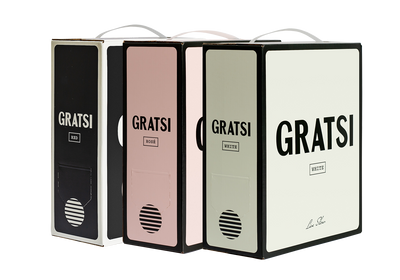
The difference between cooking olive oil and finishing olive oil is ultimately a matter of purpose. One provides stability and structure under heat; the other delivers fragrance, depth and a final flourish. By understanding olive oil smoke point, flavour intensity and freshness, you allow it to perform as it has for centuries. When chosen with care and used with intention, it transforms everyday meals into something richer, more vibrant and infinitely more satisfying. That's exactly why we made two. Gratsi Cooking Oil is a smooth, balanced 100% Greek blend built for the pan: sautéing, roasting, eggs on a Tuesday. Gratsi Finishing Oil is single-origin Greek Koroneiki, grassy and peppery, made for the bread, the salad and the last drizzle. Both are Extra Virgin Olive Oil, cold extracted and unfiltered, in a 3L box that keeps light and air out. Meet Gratsi Olive Oil, or grab both oils in the Olive Oil Bundle and skip the decision entirely.
The olive oil conversation connects to a wider Mediterranean way of eating and living — Italy's Very Own Blue Zone shows what a diet built on good fats actually looks like over a lifetime. The Italian Morning Ritual brings olive oil into context with how Italians actually begin the day. Nonna Wisdom captures the generational knowledge that sits behind every drizzle. And the Italian art of the siesta reminds us that good food is only part of the picture. Finish the day with a glass of Gratsi White — it earns the last drizzle as much as anything else.
