


❤️ Love it, guaranteed
Subtotal$0.00
Taxes & ShippingCalculated at next step


Antonia's Insights
By Antonia Fest
February 02, 2024
The Mediterranean is known for its deeply rooted culinary traditions. Some of countries’ most important events are centred around a table piled high with local food and wine. There is no rush to get up and slow living is sacred in the southern European lands. Yet this vision of ‘dolce vita’ should not be overly stereotyped and just like any other cultures, there are moments of chaos. In those instances, it is all to easy to succumb to ‘fast food’ but this does not necessarily mean heading to the nearest franchised store. Instead, the Med’s populations will opt for their traditional street food, which can often be found on any street corner, in every bar and at many kiosks around town. These foods are usually steeped in history and deeply engrained within the cultural and nostalgic roots of the land. Here are some of the Mediterranean’s most popular and most mouthwatering street foods.
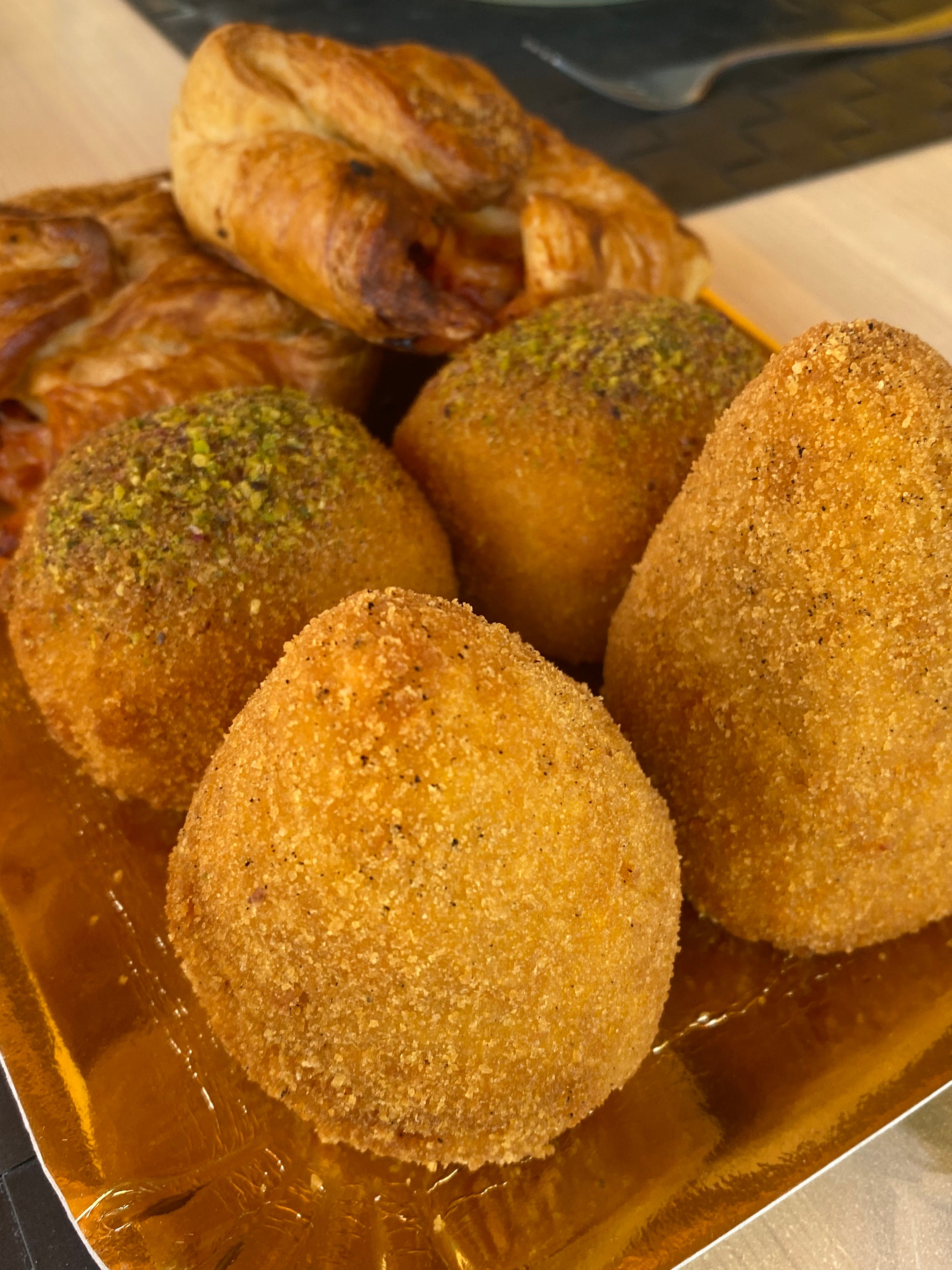
ARANCINI, SICILY Formed like oranges in the west of Sicily and like volcanoes in the east, these deep fried rice balls have shaped the island’ s gastronomical identity for hundreds of years. Arancini were first developed using ingredients brought over by the Arabs and when locals learned to deep fry rice with meat and spices, they found the perfect meal for long journeys or hunting excursions. They are the very definition of street food.
RABAS, CANTABRIA Deep fried squid sprayed with fresh lemon juice and sprinkled with sea salt is the go-to snack on the northern Spanish coast line. An obligatory beer should be served alongside this seafood snack which although deep fried, happens to be a surprisingly refreshing mouthful. The ingredients are simple but the technique is precise – you cannot coat your squid in too much batter, it must be lightly fried and the fresher the catch, the better.

BOLA DE BERLIM, PORTUGAL Everyone has heard of Pastel de Nata but have you heard of Bola de Berlim? You will find these sweet custard-filled doughnuts served by most street vendors across the country’s sun soaked beaches. The Bola is the Portuguese snack of the summer and provide the perfect sugar rush after hours in the heat.
KOULOURI THESSALONIKIS, THESSALONIKI This is an iconic circular bread harking from Thessaloniki on mainland Greece. It is similar to the Turkish simit bread and supposedly they share the same origins. Koulouri is traditionally a wheat-based dough shaped into a ring and then sprinkled with sesame seeds before baking. More innovative spins have now been taken on this age-old street food with chocolatey and cheesy versions being served by the locals.
ESPETOS, MALAGA When seafood is fresh out of the water, there are few ingredients required to turn it into something truly delicious. In Spain, a 19th century tradition where fisherman would immediately cook the extra sardines they had caught, has now become a staple Malagan snack. The fish are layered on a skewer and grilled over hot coals. Once they become crispy, they are given a spritz of lemon, olive oil and salt before being consumed in a heartbeat.
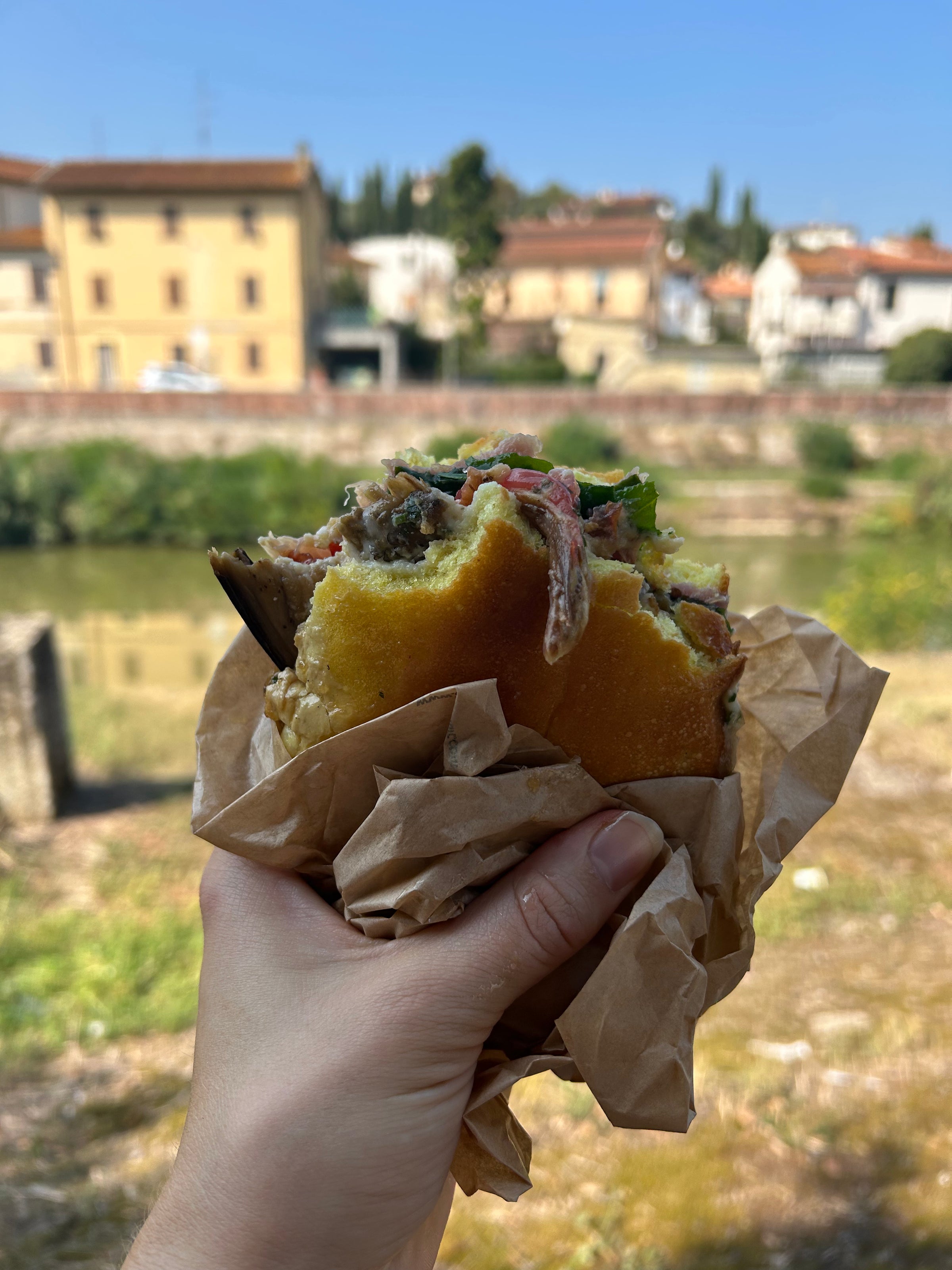
GYROS, GREECE All across the Greek mainland and islands, Gyros is adored by locals and visitors alike. The term ‘gyros’ derives from the word ‘gheereezo’ meaning to ‘turn’ which pays homage to the cooking methods of the meat. It is one of the most popular street food dishes along with its cousin, the Souvlaki. Usually consisting of a thin shaving of juicy meat roasted on a spit along with tzatziki, tomatoes, onions, lettuce and cucumbers. This is then wrapped in pillowy pita bread for easy consumption.

SUPPLI, ROME Arguably one of Rome’s greatest achievements, the suppli is the city’s go to on-the-go-snack. Similar to arancini, they are also deep-fried rice croquettes which are usually filled with tomato and oozing mozzarella. When you bite into this historic street food, expect a long string of melted cheese to emerge – the sign of a well made suppli.
For more on Mediterranean food culture and the street foods that define it, read The Italian Outdoor Market Culture, our guide to Breaking Bread: Mediterranean Bread Traditions, and our Pizza and Wine Pairings.