
Happiness guaranteed or money back.
Subtotal$0.00
Taxes & ShippingCalculated at next step


Lessons from the Mediterranean Lifestyle
By Silvia Nanetti
January 23, 2025
In a world consumed by the constant buzz of notifications and an unrelenting race to get ahead, the allure of slow living is undeniable. Rooted in the sun-soaked traditions of the Mediterranean, slow living isn’t just a lifestyle, it’s an art form, a philosophy that redefines success as balance, connection, and joy. It’s about trading the hustle for harmony, the rushed meal for a shared feast, and the to-do list for meaningful experiences.


Slow Living: A Philosophy of Purpose At its heart, slow living is the practice of intentionality. It invites us to break free from the ceaseless drive for productivity and instead embrace moments of quiet reflection and mindful living. Far from being about laziness, slow living is about:
This philosophy thrives in the Mediterranean, where traditions like long family meals, leisurely strolls, and an unhurried pace of life have been cherished for generations. Here are five lessons to live a slow life from the Mediterranean culture.


The Joy of Food as Connection In the Mediterranean, food is more than fuel—it’s an expression of culture, community, and care. Meals are sacred moments to gather, share stories, and celebrate life. Take, for example, the Italian pranzo della domenica (Sunday lunch). From selecting fresh produce at the market to cooking family recipes passed down for generations, every step is infused with love and intention. It’s no coincidence that the Slow Food movement was born in Italy, advocating for local, sustainable, and soulful food experiences. Therefore, prioritize mealtimes as rituals. Cook with fresh, local ingredients, set the table beautifully, and savor every bite in the company of loved ones.
Few moments embody this philosophy more completely than a wedding hosted at home, with a long table, a long meal, and no one in a hurry. If the idea of planning your day in your own backyard ever appeals, our guide to How to Plan a Backyard Wedding Reception lays out the layout, timeline, food strategy, and lighting that turn a yard into the right kind of slow.


The Power of Human Connection In Mediterranean cultures, relationships are everything. Families remain close-knit, friends gather for regular coffee breaks, and even strangers are met with warmth and curiosity. Socializing isn’t squeezed into a packed schedule—it’s a centerpiece of life. Whether it’s a neighborly chat in the piazza or a game of cards under a shady tree, connection is prioritized over busyness. Make space for the people who matter. Nurture your relationships with time and attention, and practice saying no to obligations that drain rather than uplift you.

Finding Beauty in Simplicity The Mediterranean lifestyle values quality over quantity, whether it’s in fashion, food, or home design. There’s a reverence for craftsmanship and a sustainable approach to consumption. Italians, for instance, treasure timeless pieces, mend what’s broken, and frequent vintage markets to find unique treasures.


Digital Detox: Living in the Present Screens are absent at a Mediterranean table. Instead, people are fully engaged in the moment—watching waves lap the shore, chatting with the shopkeeper, or simply enjoying a quiet moment with their thoughts. Technology is used as a tool, not a distraction, and human connection always takes precedence.
Embracing Il Dolce Far Niente Perhaps the most iconic Mediterranean principle is “Il dolce far niente— “the sweetness of doing nothing.” It’s the unapologetic enjoyment of stillness, a quiet moment to reflect or simply exist without agenda. Whether sitting in a sunlit piazza or gazing at the sea, this practice is about recharging the spirit through rest and mindfulness. Therefore, schedule moments of intentional stillness. Whether it’s enjoying a cup of tea on your balcony or lying under a tree with a book, give yourself permission to simply be. Indeed, you don’t need to live in a Tuscan villa to embrace slow living. Here are practical ways to integrate its principles into your life:


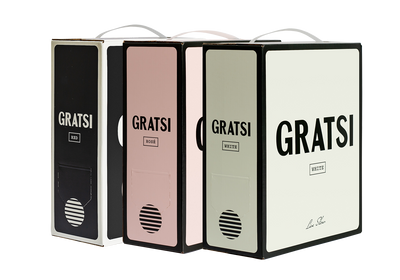
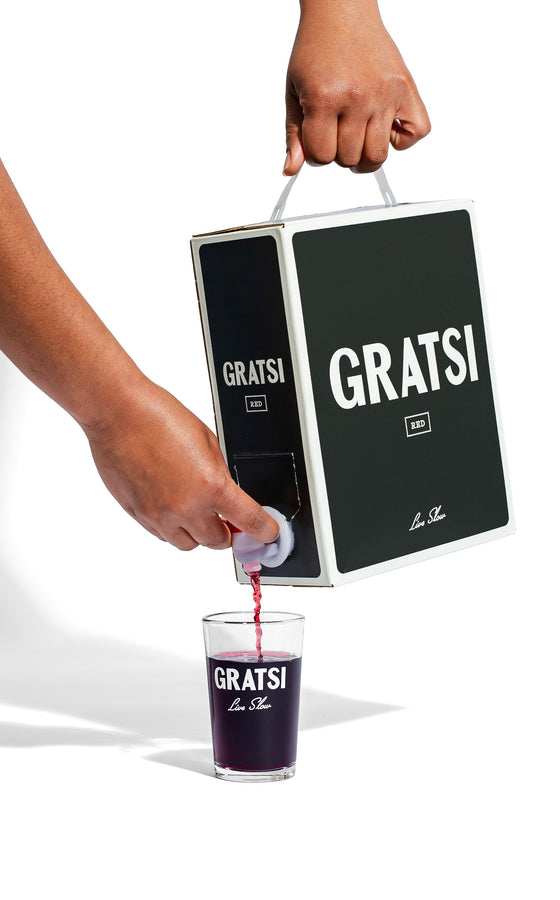
The Mediterranean lifestyle teaches us that slowing down isn’t just a luxury—it’s essential to a life well-lived. By savoring the present moment, nurturing connections, and finding beauty in simplicity, we can rediscover what it means to truly live. So, take a page from the Mediterranean playbook. Unplug, gather around the table, and let the sweetness of doing nothing remind you of the richness life has to offer. Because in the end, slow living isn’t about having less time, it’s about having more life. For more on Mediterranean slow living and the art of savoring every moment, discover our guide to Adding Mediterranean into Your Home, our post on Il Dolce Far Niente, and our article on The Mediterranean as a Muse: Through the Eyes of Artists. Pour yourself a glass of Gratsi Red and practice the art of doing nothing — beautifully.