
Happiness guaranteed or money back.
Subtotal$0.00
Taxes & ShippingCalculated at next step


The most important cheeses from the Med and how they’re made and enjoyed.
By Antonia Fest
February 10, 2026
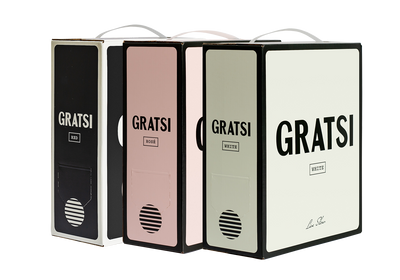
In the latest ranking of the world’s best cheeses, the Mediterranean doesn’t just perform well, it dominates. Every cheese in the top 10 comes from the cattle of France, Italy, Spain, Portugal and Greece. It’s not until 15th place that a non-southern European contender, Poland, finally appears. In total, an astonishing 75 of the top 100 cheeses hail from southern Europe, leaving British, Swiss, and Dutch classics trailing far behind. Parmigiano Reggiano, mozzarella, brie, and burrata may already be household names, but the Mediterranean’s cheese culture runs far deeper than its greatest hits. Beyond the familiar favourites lies a rich world of lesser-known regional cheeses - many of them fiercely local, traditionally made, and climbing the global rankings. Below is a selection of 10 Mediterranean cheeses from the top 100 that you may never have heard of, but absolutely should. Best of all, each pairs beautifully with a glass of Gratsi Wine.

Often described as Greece’s answer to Gruyère, Graviera Naxou is made primarily from cow’s milk (unusual in Greece, where sheep and goat dominate). Produced on the Cycladic island of Naxos, it’s cooked-curd and aged for at least five months, giving it a firm texture and a sweet, nutty depth. Maximum enjoyment is derived by a traditional recipe where locals will lightly fry the Graviera for a golden, melty mezze. It can also be grated over past or vegetables, or eaten simply with fresh bread and honey.


An iconic semi-soft Portuguese cheese which is made from raw sheep’s milk and coagulated with thistle flower rather than animal rennet. From the milking to the ripening process, careful steps are taken to ensure consistent quality and flavour. The result is a rich, buttery cheese with a spoonable center and an unmistakably herbal aroma. Queijo Serra da Estrela is Portugal’s oldest and most traditional cheese dating back to the 13th century and deriving from the same mountain range where it is still produced today. With its strong history and taste, it is considered the father of Portuguese cheeses and is traditionally served by cutting off the top rind and scooping the interior onto bread. It’s eaten simply so as best to indulge in the creamy texture.
From the Rhône-Alpes, Saint-Félicien is a soft, bloomy-rind cheese made from cow’s milk. It’s similar to Brie but richer and more elastic, thanks to a higher cream content and shorter aging. Nutty, buttery, fruity and slightly sour, the Saint Félicien is powerful in flavour but fragile in texture. As such, it usually comes packaged in charming terracotta pots. To enjoy it best, simplicity wins: lathered onto a crusty baguette served alongside a charcuterie and olives. It can also be enjoyed molten hot. San Michali - Greece
Produced exclusively on the small island of Syros, the San Michali is a hard cheese produced from cow’s milk. Sometimes called the “Parmesan of Greece,” it’s hard, salty, and intensely savoury, with a long aging period that concentrates its umami notes. The local cows are fed a strict diet of aromatic indigenous plants and herbs, which directly impact the cheese’s flavour profile. Enjoyed as a plain table cheese along with dried figs and Grecian fruits, or it can often be used as a strong enhancer of soufflés and omelettes.


Produced in northeastern Portugal, this firm goat’s cheese is made from raw milk and aged for several weeks to months. It’s sharp, clean, and slightly spicy, reflecting the rugged terrain where the goats graze in the Bragança region. Beyond its cultural significance, this Queijo de Cabra plays an important role in the local economy, where many locals rear the animals and produce the cheese as their main source of income. Their pastoral lifestyle is represented further in the best ways to enjoy this cheese: as an easy appetiser with sliced bread and local red wine. Idiazabal - Spain
Despite a short aging period of just 2 months, Idiazabal develops strong and complex flavours from the outset. Traditionally, it was stored near fireplaces which induced a delicately smoky aroma through passive means. In modern production, Idiazabal is intentionally smoked over beechwood, though very lightly in order to enhance the aromas without them being overpowered. The result is a distinct flavour beautifully enjoyed alone or with the sweetness of quince paste and the nuttiness of walnuts. An accompanying cider never goes amiss.

The name of this cheese - ‘Monaco’ - refers to the monk-like cloaks worn by the Provolone-makers in the 17th-18th century. They acted as protective garments when travelling by sea from the Lattari mountains, where they produced the yield, to Naples. The eccentric garbs led the Neapolitan city-folk to refer to the cheese as the “Provolone of the monks.” It is a stretched-curd cheese made from raw cow’s milk and aged for at least six months in the Lattari Mountains which is the largest area for milk production around Naples. Its yield is precious as 20% of the milk for this production derives from an endangered species of cattle. Careful processes results in exceptional quality and flavour - a sweet, butteriness with a slightly spicy aftertaste that distinguishes it from other Provolone varieties. It is instantly recognisable as its unique form represents a small melon which is usually wrapped in a coarse rope. Shaved thin and eaten on its own, or paired with honey and chestnuts, little is needed to best enjoy it. Older versions are crumbly and bold, closer to Parmigiano than standard provolone.


Distinguishable by its pear-like shape, Caciocavallo Silano is one of the most historic spun curd cheeses in all of southern Italy. Deriving from the Sila mountains of Calabria the method. Of producing Cacciocavallo has now been adopted by neighbouring and admiring regions of Basilicata, Campania, Puglia and Sicily. The unique shape comes from the aging process where the cheese is hung in pairs over a beam. The flavour profiles can vary drastically from creamy and mild to sharp and spicy. This increases its versatility and Cacciocavallo can be served grilled or pan-friend when young, grated when aged or eaten with bread, tomatoes, and olive oil whenever.


In the spirit of ‘waste not-want not’, Morbier was originally made over 200 years ago by farmers using leftover curds from different milkings. This act of preservation has resulted in one of the world’s best cheese varieties. Morbier is instantly recognisable by the thin line of vegetable ash running through its center. It’s semi-soft, and with a characteristically French funk to the taste. Despite that, its extremely versatile and can be enjoyed melted over steamed potatoes, folded into omelettes or eaten with sourdough and pickles. Queso Zamorano - Spain At position 100 in the world ranking, Queso Zamorano earns its stripes from its dense, buttery and slightly tangy taste. Made from raw sheep’s milk in Castilla y León, Zamorano, it’s aged for up to a year, developing a complex and lingering finish. Imprinted onto the top and bottom of the rind is an intricate herringbone pattern while the sides present a zigzag motif. During the maturation process, Queson Zamorano is regularly rubbed with olive oil, causing the rind to deepen into a brown colour and the flavour to intensify. Its delicate yet distinctive and perfectly enjoyed cut into small cubes with almonds, quince paste and robust wine. For more slow-travel inspiration from the south, read Not to See But to Feel: My Days in the Sila, impress at your next dinner party with Octopus Chorizo, or celebrate the season with Pane di Pasqua — Italian Easter Bread.

